
A blocked shared drain can affect several homes even when the overflowing cover sits in just one garden. Before paying for a private clearance, establish which pipe is affected and ask the wastewater company to confirm responsibility. This guide explains how to gather useful evidence, report the blockage and arrange the right help without delaying urgent action.
Blocked Shared Drains
Waste from your kitchen, bathroom and toilet usually leaves through a private drain before joining other drainage. A pipe serving more than one property may be a public sewer even where it runs beneath a private garden. A lateral drain outside your boundary can also belong to the wastewater company. Its position on your land does not settle ownership.
In its 2026–27 guide to pipes, drains and sewers, United Utilities explains the typical split between private drains, shared sewers and pipes beyond a boundary. The guide includes a qualification for properties connected before 1 July 2011; newer or unusual arrangements need confirmation rather than assumptions.
Gather evidence without opening a chamber
Ask nearby neighbours whether their toilets or outside drains are affected. Note which fittings back up and whether the trouble started during ordinary use or after rain. Water rising in several homes is useful evidence of a downstream restriction, although it does not identify the exact defect.
Photograph overflow from a safe position and record the time. Do not lift a heavy or flooded cover, reach into wastewater or enter a chamber. Keep children and pets away and reduce use of affected fixtures. A full washing-machine cycle can add avoidable wastewater while you are waiting for help.
Report a suspected public sewer blockage
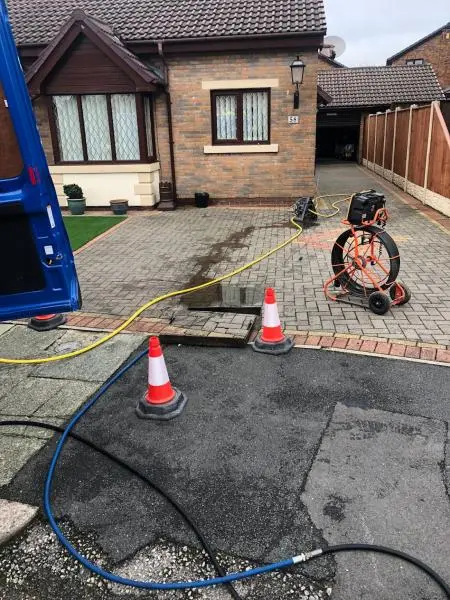
For a suspected shared or public sewer problem, contact United Utilities first and explain the properties affected, the location of the overflow and whether sewage is entering a building. Ask for an incident reference and what happens next. Tell the operator about anyone particularly vulnerable at the address.
The company describes a network exceeding 78,000 kilometres in its 2026 Pollution Incident Reduction Plan. That regional figure explains why an accurate location helps; it is not evidence that a particular garden drain belongs to the company. Ask for ownership to be checked for your specific run.
When a private drainage contractor is appropriate
If the restriction lies in a drain serving only your property within its boundary, private drain unblocking may be the next step. Explain any response already received from the water company so the engineer can concentrate on the correct section. Give them earlier reports and the incident reference if available.
Where ownership remains uncertain, ask what an initial assessment costs and what evidence it will produce. Agree that additional cleaning, excavation or repair requires your approval. Paying someone to clear a pipe does not by itself establish who owns it or who must reimburse the bill.
What tenants and leaseholders should do
Tenants should notify the landlord or managing agent promptly, alongside reporting suspected public sewer flooding. Provide photographs and explain whether facilities remain usable. Avoid commissioning extensive private work without checking the tenancy arrangements and the route for urgent repairs.
In a block of flats, pipework can serve several dwellings within the building before reaching the underground network. Communal plumbing, private systems and public sewers require different responses. Ask the managing agent to identify the responsible party and arrange access; do not assume the same rule covers every shared pipe.
What happens if the blockage keeps returning
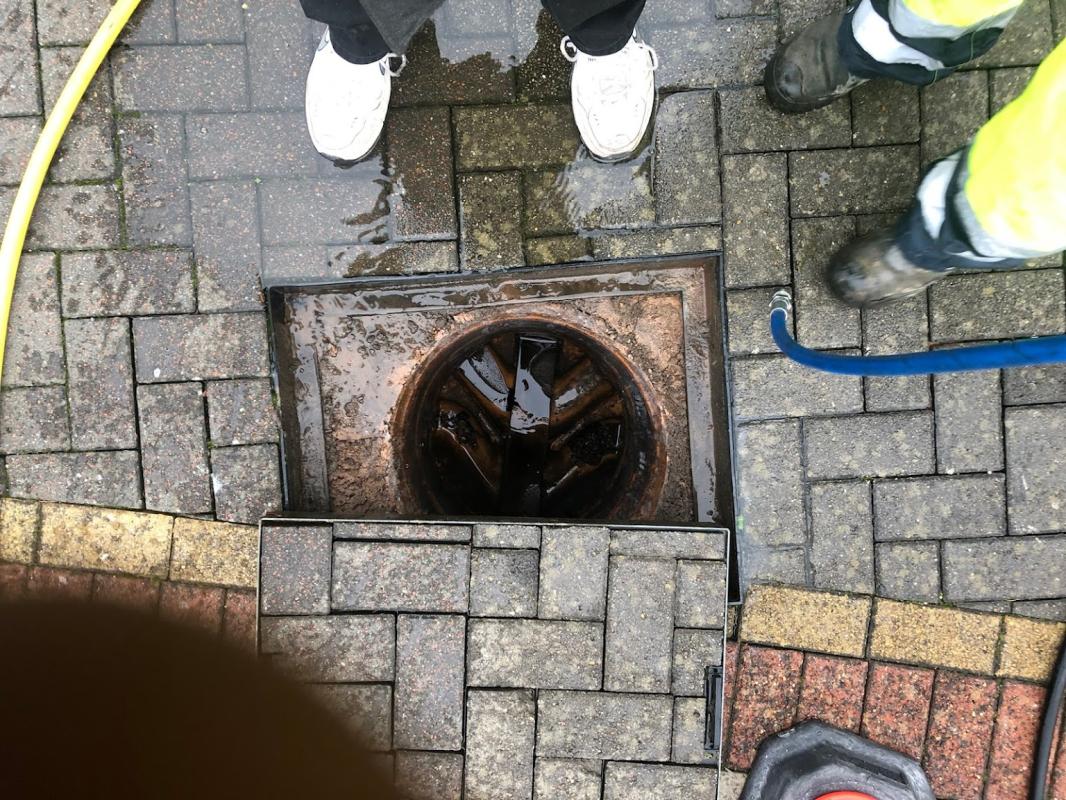
A clearance that restores flow only briefly may leave another problem unresolved. Ask whether the obstruction was removed or merely penetrated, where it was found, and whether roots or displaced joints were suspected. Those details help decide whether CCTV drain surveys would add useful evidence.
If damage is identified, confirm ownership before arranging drain repairs. Keep dates, recordings and invoices together so a later contractor does not have to reconstruct the history. An inspection can support a diagnosis, but it cannot guarantee that another section of the network will never block.
Avoid confusion with road gullies and private systems
A grate beside a road normally collects highway runoff and should be reported through the highway authority's drainage service. A garden gully taking household wastewater is a different asset. Describe what enters the drain rather than relying on the word “outside”, which could mean either.
Homes using a septic tank, treatment plant or another private system need advice specific to that installation. Check the system records and maintenance arrangements. If sewage is escaping, report the location promptly and keep clear while responsibility and a safe response are established.
Summary
Identify the affected run, report suspected shared sewer trouble and keep a clear record of what you are told. If the problem is confirmed on your private drainage, Tru Flow Drainage can assess the blockage and explain an appropriate clearance. Use our service page to arrange help with your private drain.