Explore how a CCTV drain survey can help spot problems early, reveal hidden issues and save you time, money and stress when maintaining your home’s drainage system.
Your drains play a vital role in keeping wastewater moving safely away from your home. However, many drainage problems develop gradually and remain hidden beneath the ground until clear symptoms appear. A CCTV drain survey provides a non invasive method of inspecting underground pipework, helping property owners understand the exact condition of their drains before minor issues lead to serious damage or costly repairs.
What Is a CCTV Drain Survey?
A CCTV drain survey involves sending a small waterproof inspection camera into your drainage system to record detailed footage of the inside of the pipes. The camera is specifically designed to travel through drainage pipes and can help identify blockages, small cracks, leaks, corrosion, pipe misalignment, damaged joints, root intrusion and collapsed sections without unnecessary excavation.
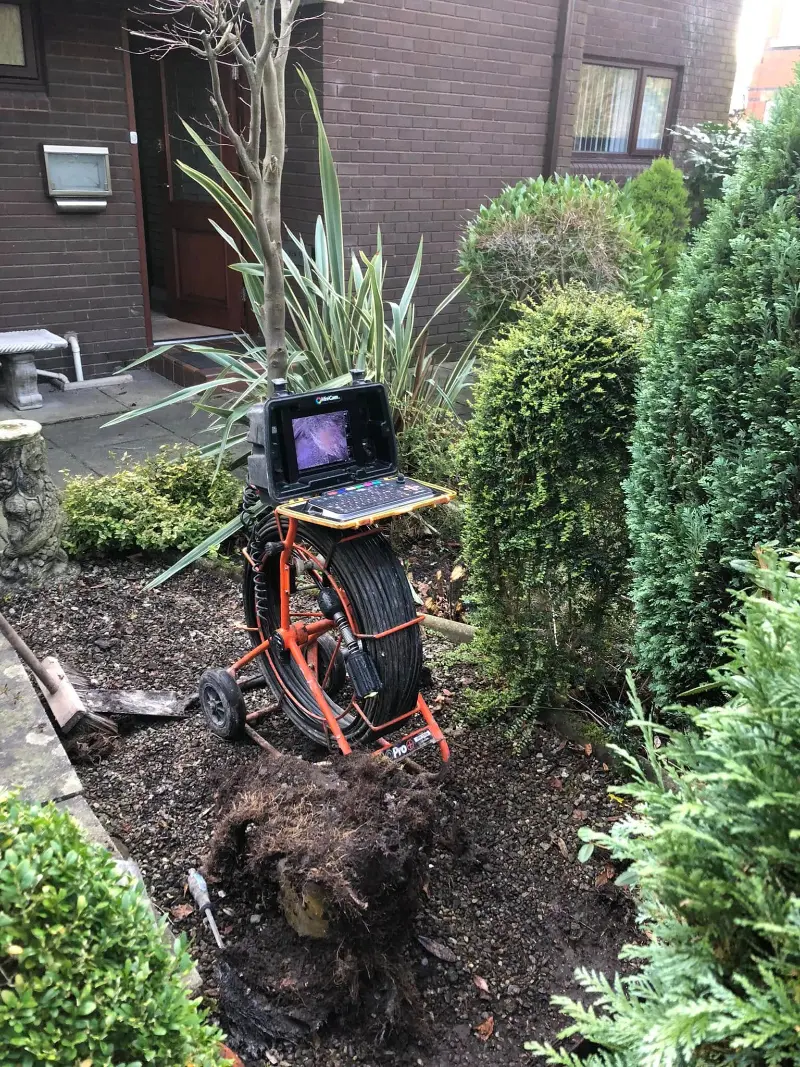
During a CCTV drainage survey, camera equipment is normally inserted through suitable access points, such as drain covers, inspection chambers or manholes. The camera may be mounted on a flexible rod or other specialised equipment that allows experienced engineers to navigate bends and inspect accessible parts of the drainage network. Live video footage is transmitted to a monitor, giving the survey team a real time view of what is happening inside the pipes.
The process causes minimal disruption to your home, garden or driveway because there is usually no need for expensive digging simply to diagnose a fault. Once the drain inspection has been completed, the findings can be used to explain the exact cause and location of any drainage issues and help determine the most suitable next steps.
A professional CCTV drain inspection may also include a survey report, clear visuals, recorded camera footage and practical recommendations. This creates a clear record of the drain condition and helps you make informed decisions about cleaning, maintenance, patch repairs, relining or other necessary repairs.
Finding Small Problems Before They Get Worse
Even a small crack or misaligned joint in a drain line can become more serious over time. Ground movement, normal wear, tree roots and deterioration of older materials can all affect pipe walls and connections. If these faults are left unchecked, they may eventually cause leaking drains, structural damage, pipe collapse or water damage around your property.
A CCTV survey helps with early detection by providing a clear view of the inside of the drainage system. CCTV surveys reveal early signs such as small cracks, loose joints, corrosion, standing water and damaged pipes that might otherwise remain hidden until a failure occurs.
Identifying issues while they are still minor can make repair work simpler and more cost effective. In some cases, targeted repairs or patch repairs may solve a local problem without the costly excavation that could be required after extensive damage has occurred.
Regular CCTV drain surveys can form part of preventative maintenance, especially for older properties, properties surrounded by large trees, or homes that have experienced recurring drainage problems. Regular surveys give homeowners a useful baseline for monitoring deterioration and planning future maintenance.
Catching Blockages Early
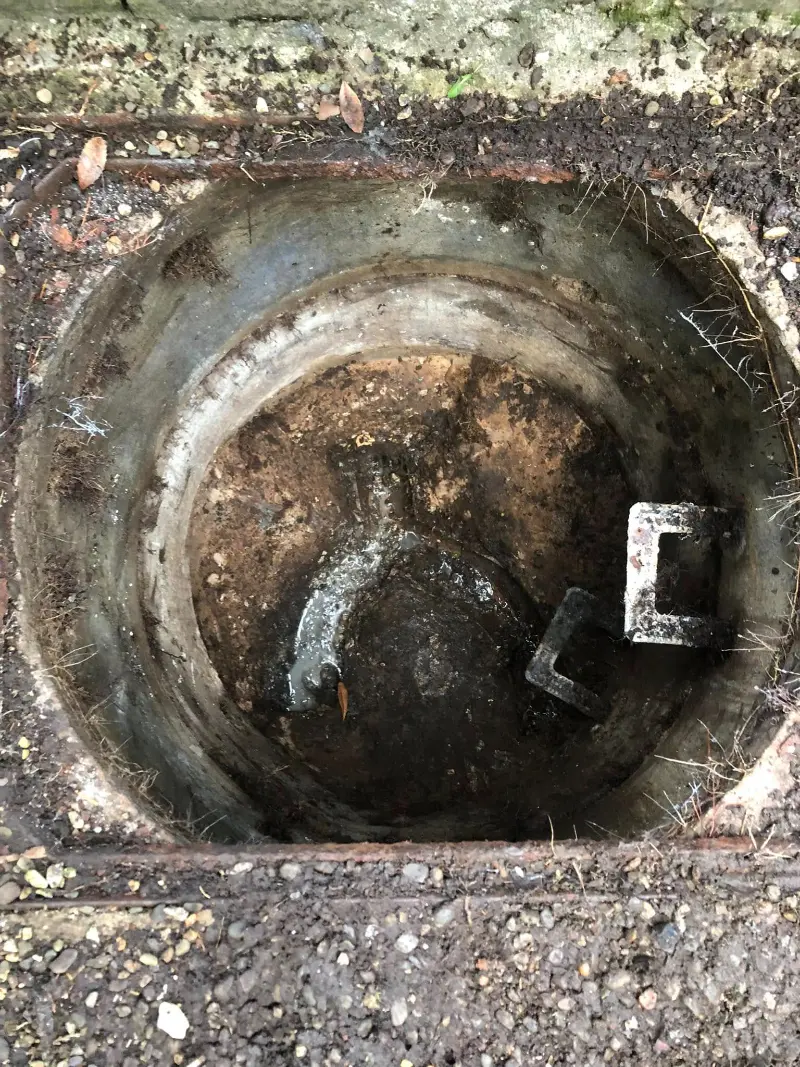
Blockages are one of the most common causes of drainage problems. Grease, food waste, soap residue, wipes, foreign objects and other debris can accumulate inside pipes and gradually reduce flow capacity. Early symptoms may include slow drainage, slow draining sinks or baths, unpleasant odours, foul smells, gurgling noises or water taking longer than normal to clear.
A CCTV drain survey can identify blockages and pinpoint their exact location. Instead of guessing where a blocked drain is located, engineers can examine the live footage and assess the nature and extent of the obstruction. This makes it easier to choose suitable drainage solutions.
Water UK reports that around 2.9 billion wet wipes are flushed into toilets each year and says wet wipes contribute to 94% of sewer blockages in the UK. Wipes can combine with fats, oils and grease to create large obstructions, showing why seemingly small habits can have a significant effect on drains and sewers.
Depending on the findings, minor blockages may be dealt with through simple cleaning or professional unblocking services. More stubborn debris buildup may require high pressure water jetting or other clearing methods. Combining a camera inspection with high pressure jetting can help ensure the obstruction has been removed and check whether a structural defect caused the blockage in the first place.
This is particularly beneficial for frequent blockages. Temporary fixes may restore flow for a short period, but a CCTV drainage survey can help find the root cause of recurring blockages and reduce the risk of the same problem returning.
Spotting Tree Root Damage
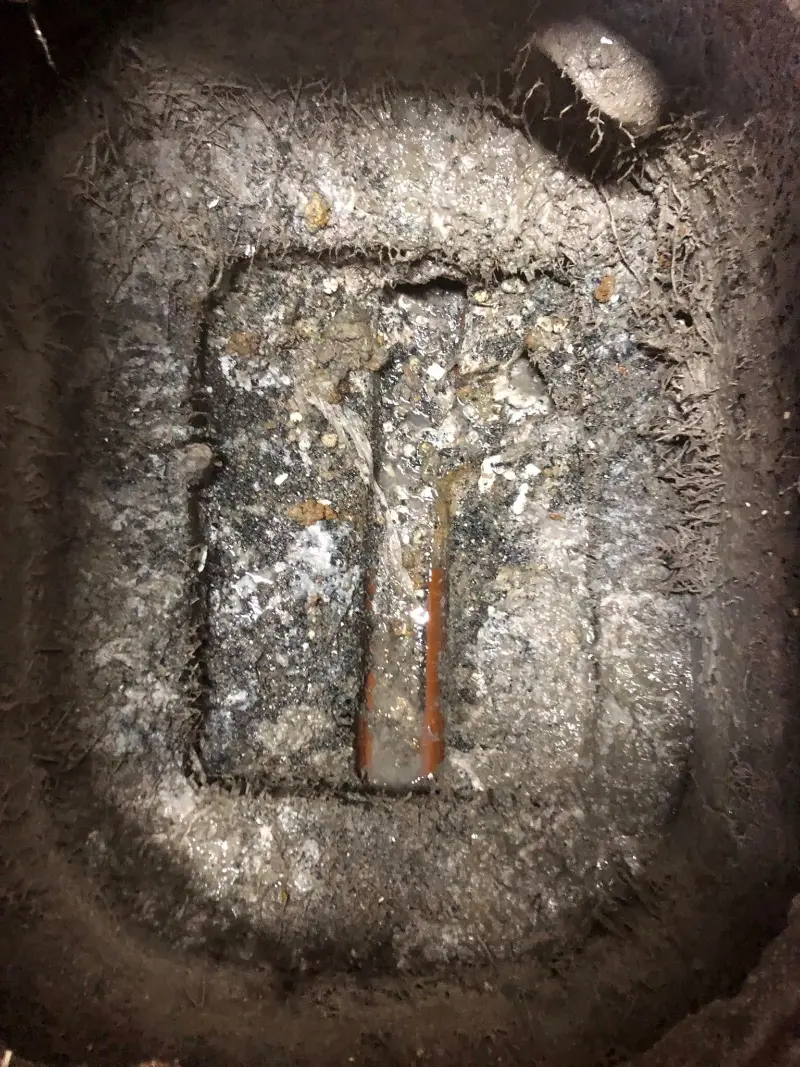
Tree roots are a common source of damage to underground drainage systems. Roots naturally grow towards sources of moisture and nutrients, which can lead them towards tiny gaps, joints or cracks in underground pipework. Once they find entry points, they can continue growing inside the pipe.
Tree root intrusion can restrict the flow capacity of a pipe, trap waste and create recurring issues. As roots grow, they may also place pressure on damaged drains, widen cracks and contribute to structural defects or collapsed pipes.
A CCTV drain survey can show where roots have entered the system and the extent of any root damage. Detailed footage allows experienced professionals to assess whether root cutting, cleaning, relining, patch repairs or replacement may be appropriate.
Spotting root intrusion early can prevent future issues and limit disruption to landscaping. It can also help avoid excavating a much larger area simply to locate the damaged section.
How Does the CCTV Drain Survey Process Work?
The CCTV drain survey process normally starts with an initial assessment. Engineers may discuss the symptoms you have noticed, review the drainage layout where information is available and identify the best entry points for the inspection.
Suitable drain covers or inspection points are then opened to provide access to the property's drainage system. Where necessary, the drains may need clearing before inspection so that grease, waste or standing water does not prevent a clear view of the pipe conditions.
A waterproof camera is then inserted into the drainage network. Depending on the size, complexity and accessibility of the system, the technician may use a flexible rod, crawler camera or additional equipment. The equipment transmits live footage to a monitor, allowing the engineers to inspect drains as the camera moves through the system.
The camera can show blockages, cracks, leaks, misaligned joints, debris, corrosion, root intrusion and collapsed sections. Experienced engineers can also use visible connections and flow directions to build a clearer understanding of the drainage layout.
Once the inspection is completed, the recorded footage is analysed and the findings are documented. A detailed report or comprehensive report can explain problem areas, the likely cause of the damage and any recommended repairs or maintenance work. This removes much of the guesswork from drain repairs and enables more precise planning.
When Should You Arrange a CCTV Drain Inspection?
You do not need to wait for a complete blockage before arranging a CCTV drain survey. Common signs that may justify a thorough inspection include frequent blockages, slow drainage, bad smells, unexplained damp patches, wastewater backing up, unusual noises from drains or signs of waterlogging around the property.
A CCTV drain inspection can be particularly useful when persistent drainage problems continue after clearing work has been carried out. In these cases, a blockage may only be a symptom of another problem, such as damaged pipes, tree root intrusion, a collapsed section or pipe misalignment.
Regular drain surveys can also be useful for older drainage systems. Older properties may contain pipework made from materials that have deteriorated over many years, and previous building or landscaping work may have altered the drainage infrastructure.
Commercial properties and larger properties with extensive drainage networks may also benefit from routine maintenance and drainage inspections. Finding problems early can reduce disruption to business operations and help with future maintenance planning.
CCTV Drain Surveys When Buying a Property
A pre purchase survey can provide valuable information when buying a new home. Standard property surveys do not normally provide a detailed examination of underground drainage, so hidden drainage problems may not become obvious until after completion.
A pre purchase CCTV drainage survey can examine the condition of your drains before the property purchase is completed. The survey can identify potential issues such as blockages, cracks, root damage, damaged joints and signs of pipe collapse that could affect future repair costs.
This type of due diligence can help buyers make informed decisions. If the survey reveals structural issues or damaged drains, the findings provide clear information that can be discussed with the seller. Buyers can then request repairs, investigate the likely costs or take the condition of the drainage system into account before proceeding.
A survey report and camera footage can also provide useful documentation of the property's drainage at the time of the inspection. Although no survey can guarantee that future problems will never occur, it provides a much clearer understanding of visible pipe conditions and reduces the chance of nasty surprises after moving in.
Planning Building Work and Renovations
A drainage survey can also be useful when planning construction work, an extension or major landscaping. Knowing the drainage layout before a construction project begins can help identify pipes, connections, manholes and inspection chambers that could affect the proposed work.
Approved Document H of the Building Regulations in England includes guidance for foul water drainage and covers matters such as underground drainage, manholes, access fittings and inspection chambers. Where construction work could affect existing drainage, appropriate professional advice should be obtained to ensure the work complies with relevant building regulations.
Planning renovations with accurate drainage information can reduce the risk of damaging underground pipes. It may also prevent delays caused by discovering hidden drainage infrastructure after construction has already started.
Post construction surveys can also be helpful after significant building work. A CCTV survey can confirm whether accessible drains remain in good condition and can reveal hidden issues such as debris, accidental damage or displaced connections caused during construction.
Who Is Responsible for Your Drains?
Understanding responsibility is important when drainage concerns arise. In England and Wales, Ofwat explains that drains carrying household waste are normally the responsibility of the householder or landlord up to the point where they connect with the public sewer. Since changes introduced in 2011, that connection point is usually around the property boundary, although individual circumstances can vary.
Public sewers are normally the responsibility of the sewerage company. This means that identifying the exact location of a fault can be important before arranging repairs or making insurance claims. A CCTV survey may help establish where a problem lies, although responsibility should always be confirmed with the relevant sewerage company where there is doubt.
For landlords, tenants and other property owners, knowing which part of the system is affected can make it easier to decide who should arrange further investigation or necessary repairs.
What Can a CCTV Drain Survey Identify?
A professional CCTV survey can identify a wide range of drainage faults. These can include blockages, cracks, leaks, root intrusion, corrosion, damaged joints, pipe misalignment, foreign objects, collapsed sections and areas where debris has accumulated.
CCTV surveys can also reveal less obvious faults. Standing water in part of a pipe may point towards poor flow, deformation or changes in level caused by ground movement or subsidence. Detailed footage can help engineers assess whether the issue requires attention immediately or should simply be monitored as part of future maintenance.
The real value of a CCTV drain survey is its ability to reveal hidden issues without first digging up the ground. A clear diagnosis allows repair methods to be selected based on evidence rather than guessing. This can help prevent unnecessary excavation and focus repair work on the areas that actually require attention.
What Is Included in a Drain Survey Report?
What you receive can vary depending on the survey provider and the specific needs of the property. A detailed report may include a written summary of the findings, information about structural defects, the location of blockages or damage, still images and recorded video footage.
For more complex surveys, the report may include information about pipe diameters, flow directions, connections, the extent of visible defects and a detailed map or plan of the accessible drainage network. The purpose is to provide a clear understanding of the condition of the drains and highlight any problem areas.
Good reporting should also explain recommended next steps. This could include clearing debris, high pressure water jetting, monitoring minor issues, arranging patch repairs, relining damaged sections or carrying out further investigation where parts of the system could not be accessed.
Receiving a detailed report gives property owners documented evidence of the inspection and makes it easier to plan repairs, discuss findings with contractors or keep a record for future maintenance.
How Much Does a CCTV Drain Survey Cost?
The CCTV drain survey cost depends on several factors, so there is no single price that applies to every property. Basic survey costs can vary according to the size of the drainage system, the number of inspection points, accessibility, the length of pipework being examined and the level of reporting required.
Larger properties and extensive drainage networks generally take longer to inspect than a simple residential system. A survey may also cost more if the drains need clearing first, additional equipment is required, access is difficult or a detailed map and comprehensive report are needed.
When comparing costs, it is useful to check exactly what the service includes. A basic survey may provide camera footage and a simple explanation, while a more detailed service may include recorded video, photographs, measurements, a written report and practical recommendations.
Although a survey has an upfront cost, identifying issues early can save money by allowing targeted repairs and maintenance before faults become more serious. In some cases, the cost of an inspection can be far lower than expensive repairs following a collapsed pipe, flooding or extensive excavation.
Drain Survey Near Me
Struggling with a drain blockage or recurring drainage problems? Let us help. Tru Flow Drainage serves a 25 to 30 mile radius of Fleetwood and Thornton. Call today for a drain survey in Fylde, Wyre, Blackpool and throughout Lancashire and the following areas:
Saving Money on Costly Repairs
Drain repairs can become expensive when faults are allowed to worsen. Collapsed pipes, serious root damage and extensive structural damage may require excavation, replacement and restoration of the surrounding ground, driveway or garden.
A CCTV drain survey is a cost effective way to investigate problems early. Rather than excavating a large area to find a fault, the camera can often pinpoint its location with greater accuracy. This can allow engineers to plan targeted repairs and reduce unnecessary work.
Early detection also gives you greater control over maintenance planning. Instead of reacting to emergency repairs after flooding or a complete blockage, you can arrange work at a suitable time and prepare for expected costs.
For many homeowners, regular CCTV surveys also provide peace of mind. Knowing the condition of the drainage system makes it easier to maintain a healthy drainage system and address potential problems before they lead to expensive remedial works.
Preventative Maintenance for a Healthy Drainage System
A CCTV drainage survey is not only useful when something has already gone wrong. It can also form part of routine maintenance for properties where drains are older, prone to blockages or affected by nearby trees.
Regular drain surveys can show whether a known crack is becoming worse, whether roots have returned after clearing or whether debris is beginning to reduce flow capacity again. Keeping a record of previous findings also allows engineers to compare the condition of the system over time.
Preventative maintenance should also include sensible use of the drains. Avoid pouring fats, oils or grease down sinks and do not flush wipes or other unsuitable objects down toilets. These materials can accumulate and cause blockages even when the drainage pipes themselves are in good shape.
By combining sensible habits, cleaning when required and CCTV surveys where appropriate, homeowners can protect their property's drainage, improve reliability and reduce the likelihood of emergency repairs.
Is a CCTV Drain Survey Worth It?
Whether you need a CCTV drain survey depends on the property and the problems you are trying to solve. If drains are repeatedly blocking, you are experiencing unexplained smells or slow drainage, or you are buying an older property, a survey offers a direct way to inspect areas that cannot normally be seen.
A CCTV drain survey can help identify the source of recurring issues, show the exact condition of accessible pipework and provide evidence for future repairs. Because the survey is a non invasive method, it can deliver useful information with far less mess and disruption than exploratory digging.
The inspection is also useful for future maintenance planning, property transactions and planning construction work. Most importantly, it gives you accurate information about potential issues so that decisions about repairs are based on what is actually visible inside the system.
Finding problems early does not just help prevent costly repairs. It can protect your property from flooding, damp, water damage and other problems caused when damaged or blocked drains are allowed to deteriorate.
Need a reliable CCTV drain survey in Fleetwood, Blackpool or across Lancashire? Tru Flow Drainage provides professional CCTV surveys for residential and commercial properties, helping identify hidden drainage issues, assess pipe conditions and plan suitable repairs with minimal disruption. Our service is available 24/7.