Looking for effective tools for clearing blocked drains? We specialise in drain unblocking using the best equipment, ensuring quick, lasting results.
Plunger
A plunger is a simple and effective tool for clearing minor drain blockages. It works by creating suction and pressure, which helps to dislodge the blockage and move it through the pipe.
To use a plunger, place the rubber cup over the drain opening, ensuring a tight seal. Push the handle up and down several times, then quickly pull it away. This action helps break up the blockage.
Plungers are best used on sinks, baths, or toilets. For best results, cover any overflow holes before plunging. They’re inexpensive, easy to use, and a great first step in clearing common drain problems.
Match the Tool to the Type of Blockage
A flat cup plunger suits many sinks and baths; a flange plunger is designed to seal a toilet outlet. A hand auger can retrieve hair from a suitable waste pipe, while a toilet auger has a protective guide for the pan. Drain rods suit accessible outside runs and should not be forced into small indoor waste pipes.
- Visible hair or food: use an appropriate retrieval tool.
- A small, isolated fixture blockage: try the correct plunger.
- A deeper accessible obstruction: select a suitable auger or seek help.
- Several fixtures backing up: stop DIY attempts and arrange an assessment.
Wear gloves and eye protection, follow the tool instructions and stop if the cable jams. More force can damage a weak joint or leave a tool stuck.
Drain Snakes and Drain Rods
Drain snakes, also called drain augers, are flexible metal cables that can be inserted into a drain to break up or pull out blockages. They’re ideal for deeper or more stubborn clogs that plungers can’t fix. The snake is turned manually or with a motor, and its tip works to cut through or hook the blockage.
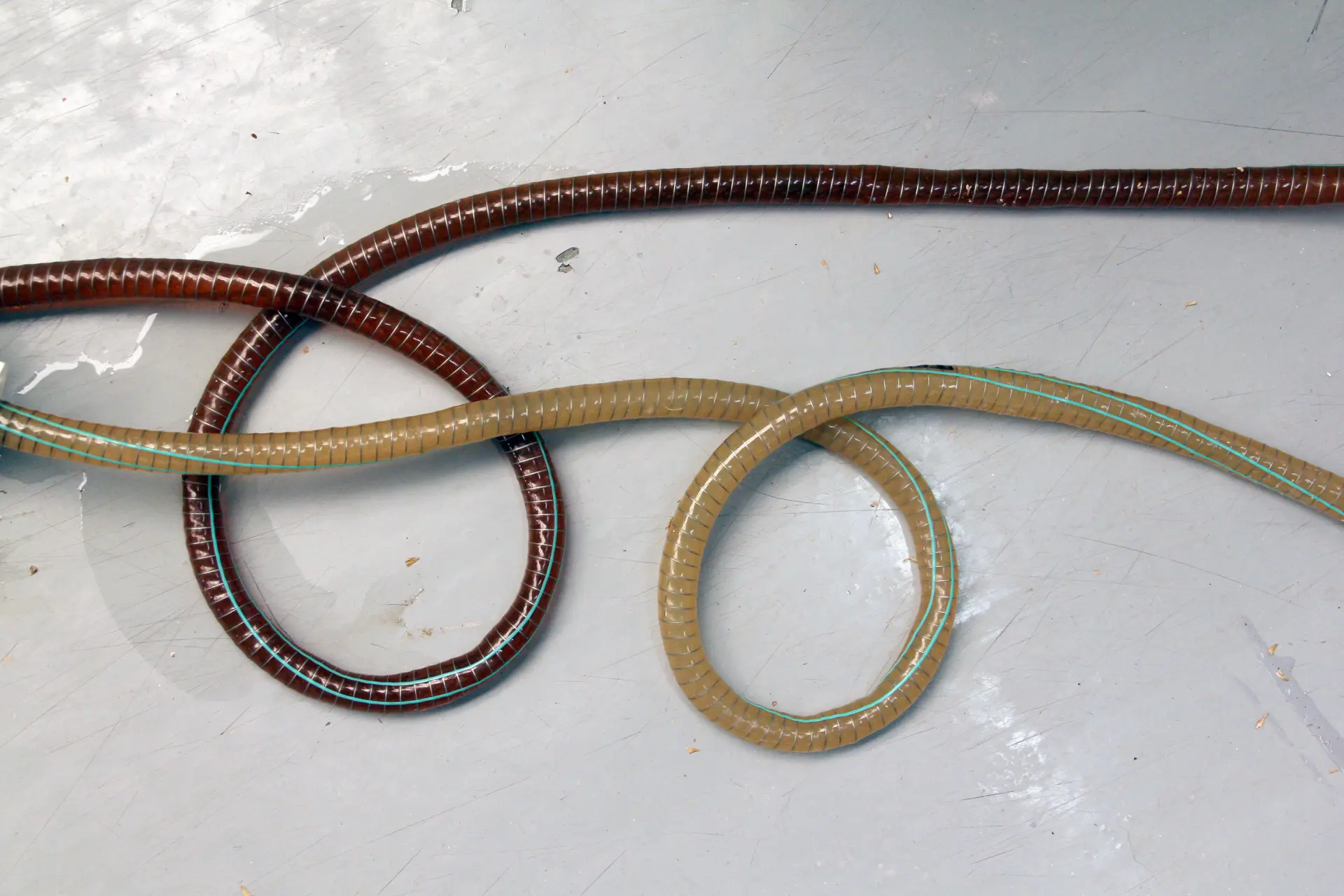
Drain rods are rigid rods, usually made of metal or strong plastic, and are mostly used for larger outside drains or pipes.
Multiple rods can be screwed together to reach further down a pipe. When using them, it’s important to twist the rods in the correct direction (usually clockwise) to prevent unscrewing.
Both tools can be very effective but may require care and patience to avoid damaging the pipes. Drain snakes are better for indoor use, while drain rods are preferred for outdoor blockages, especially in drains affected by leaves, mud, or fat build-up.
These tools offer strong mechanical solutions for blockages that are hard to shift.
Baking Soda and Vinegar
Baking soda and vinegar produce a visible fizz, but this is not a reliable way to remove a stubborn obstruction. The reaction does not replace physically removing hair, food or deposits from a suitable accessible trap.
Do not add vinegar, baking soda or any other household mixture where chemical drain cleaner has already been used. For slow drainage, remove accessible debris and choose an appropriate mechanical method instead of repeatedly adding products.
Use Drain Rods Without Losing Them Underground
Establish a safe access point and check that fittings are compatible and firmly joined. Conventional screw-jointed rods generally need clockwise rotation while advancing and withdrawing, but follow the instructions for your particular locking system. Reversing screw-jointed rods underground can unscrew a section and leave it behind.
Do not force rods around a tight bend or against a solid stop, and never enter a chamber. Rodding can open a route through an obstruction while leaving deposits on the pipe walls. If drainage improves briefly and then slows again, establish what remains instead of repeatedly pushing waste farther along the pipe. Ask whether cleaning, inspection or repair is appropriate before using more powerful equipment.
Blocked Drains Near Me
Struggling with a drain blockage? Let us help. Tru Flow Drainage serve a 25-30 mile radius of Fleetwood and Thornton. Call today for drainage specialists in Fylde, Wyre, Blackpool and throughout Lancashire and the following areas:
High-Pressure Drain Jetters
High-pressure drain jetters use strong jets of water to clear blockages and clean the inside of pipes. These machines pump water through a hose at very high pressure, which can break up clogs, remove grease, and flush out debris. They are highly effective and are often used by professionals for tough or recurring drain problems.
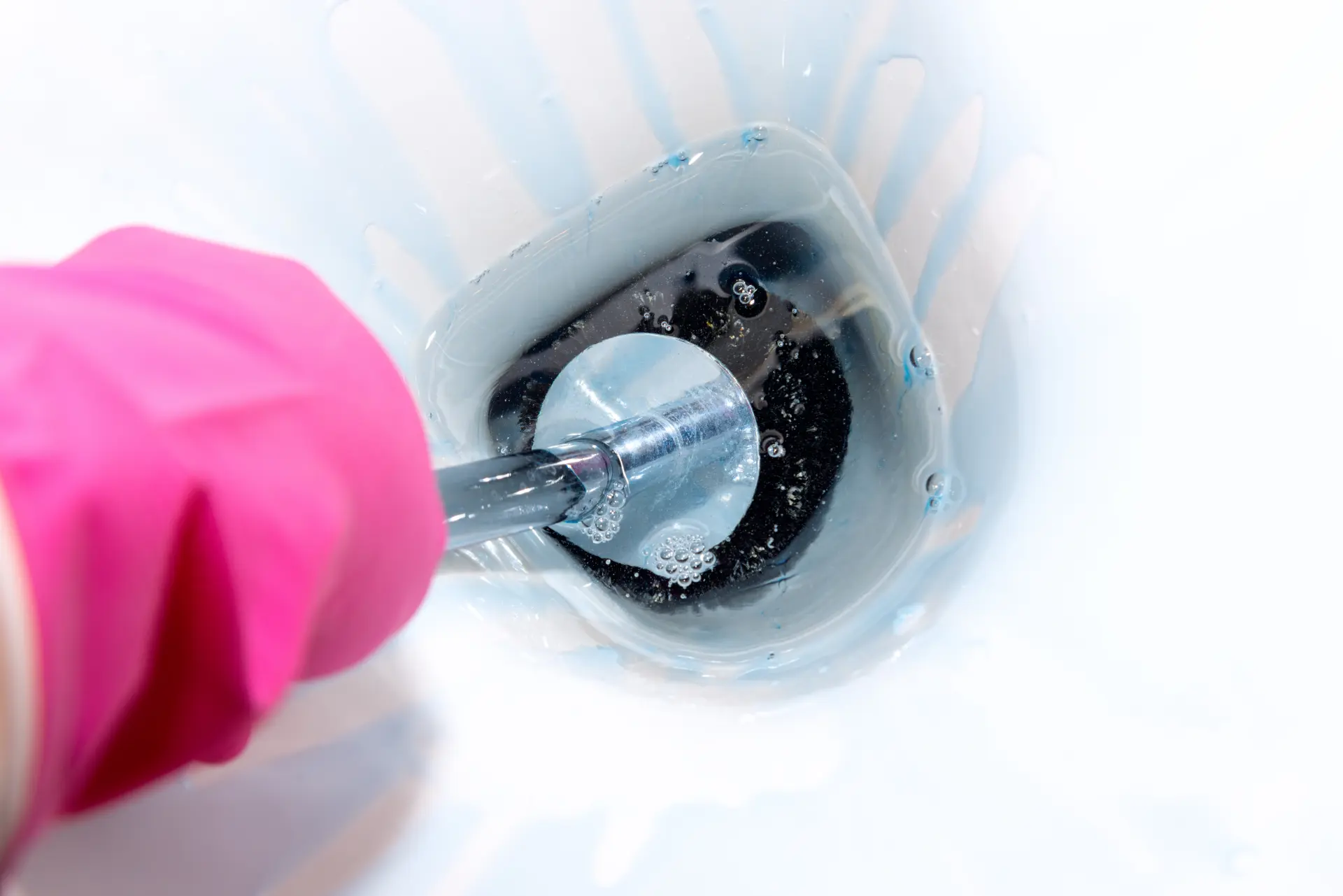
Jetters can reach deep into the drainage system and are particularly good for outdoor drains, long pipe runs, or pipes with a heavy build-up of sludge or tree roots.
There are smaller jetters available for home use, but using one safely requires proper knowledge to avoid damage or injury.
While very effective, high-pressure jetting is often best handled by trained technicians. It’s ideal for severe blockages where other tools have failed.
Jetters not only clear the blockage but also clean the pipe walls, helping to prevent future problems. This makes them one of the most thorough tools available for drain cleaning.
Why Jetting and Camera Inspection Differ
A jetter clears and cleans; a CCTV camera inspects. Jetting can remove soft deposits from a suitable pipe, while inspection helps identify roots, a displaced joint or damage that cleaning cannot repair. An engineer selects the nozzle, flow and pressure for the pipe and its condition. An ordinary pressure-washer lance should not be pushed into a drain.
United Utilities' 2026 Pollution Incident Reduction Plan says more than 60% of blockages on its sewer network are caused by customer behaviour. This is not a success rate for jetting. Removing waste is only part of the solution when unsuitable items continue entering the system. If a chemical cleaner has already been used, tell the engineer which product and when; do not mix products or plunge into trapped chemicals.
Chemical Drain Cleaners
Chemical drain cleaners are liquids or gels designed to dissolve blockages caused by grease, hair, or soap scum. They are easy to use - simply pour the recommended amount down the drain, wait for the required time, then flush with water. While convenient, these chemicals can be harsh on older pipes and are harmful if mishandled. They should be used with care and only occasionally.
Always read the instructions and wear gloves if needed. Chemical cleaners can be effective for small clogs, but they are not a long-term solution and may not work on solid blockages or deep pipe issues.
Struggling with a drain blockage in your home? Let us help with blocked drains in Fleetwood, Blackpool and Lancashire. We are a drainage contractor that has been resolving drainage issues for local homes, businesses, and property developers for more than 25 years.