Find out how a CCTV drain survey can help prevent flooding by identifying hidden blockages, cracks, root damage and structural faults before they become serious. Learn how CCTV surveys provide a clear picture of the condition of drains and help property owners make informed decisions about maintenance and repairs.
Spotting Blockages Before They Cause Flooding
Blocked drains are a common cause of drainage problems and can increase the risk of flooding around a property. Everyday waste such as food scraps, fats, oils, grease, wet wipes, sanitary products, hair and other debris can collect inside pipes. This grease build up and waste gradually reduces the available capacity of the drainage system and affects normal water flow.
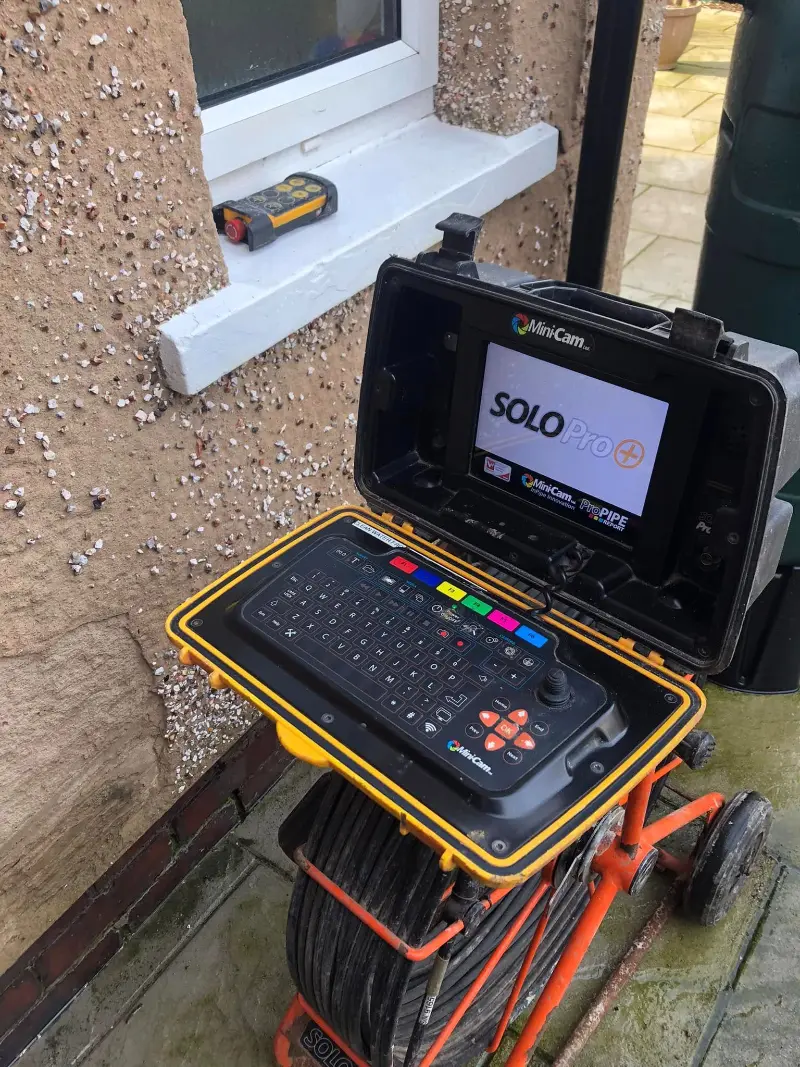
A CCTV drain survey allows professionals to see exactly what is happening underground. During the inspection, a CCTV camera is carefully inserted into an access point, inspection chambers or manholes and guided through the drain system. Live footage allows engineers to identify blockages and pinpoint their exact location without unnecessary digging.
This makes a drain survey one of the most effective ways to investigate recurring blockages or slow draining water. Instead of relying on guesswork, the survey provides accurate video evidence showing whether the problem is caused by debris, grease, damaged drains, root ingress, collapsed pipes or another obstruction.
Repeated blockages should not simply be cleared and forgotten. They can be a sign of structural problems, poor pipe connections, fractures or collapsed sections. A professional CCTV drain survey can identify the underlying cause so that the correct action can be recommended before minor faults escalate into costly repairs.
Regular drain surveys can form part of a sensible preventative maintenance strategy. Keeping drains in good condition helps prevent flooding, reduces the likelihood of emergency repairs and can save property owners money over the long term.
Finding Cracks, Fractures and Broken Pipes
Cracks, fractures, broken joints and collapsed drains can remain hidden for months or years. When pipes are damaged, water may escape into the surrounding soil while soil, roots and other material can enter the drainage system. Left untreated, these drainage issues can lead to blockages, leaks, subsidence, dampness and localised flooding.
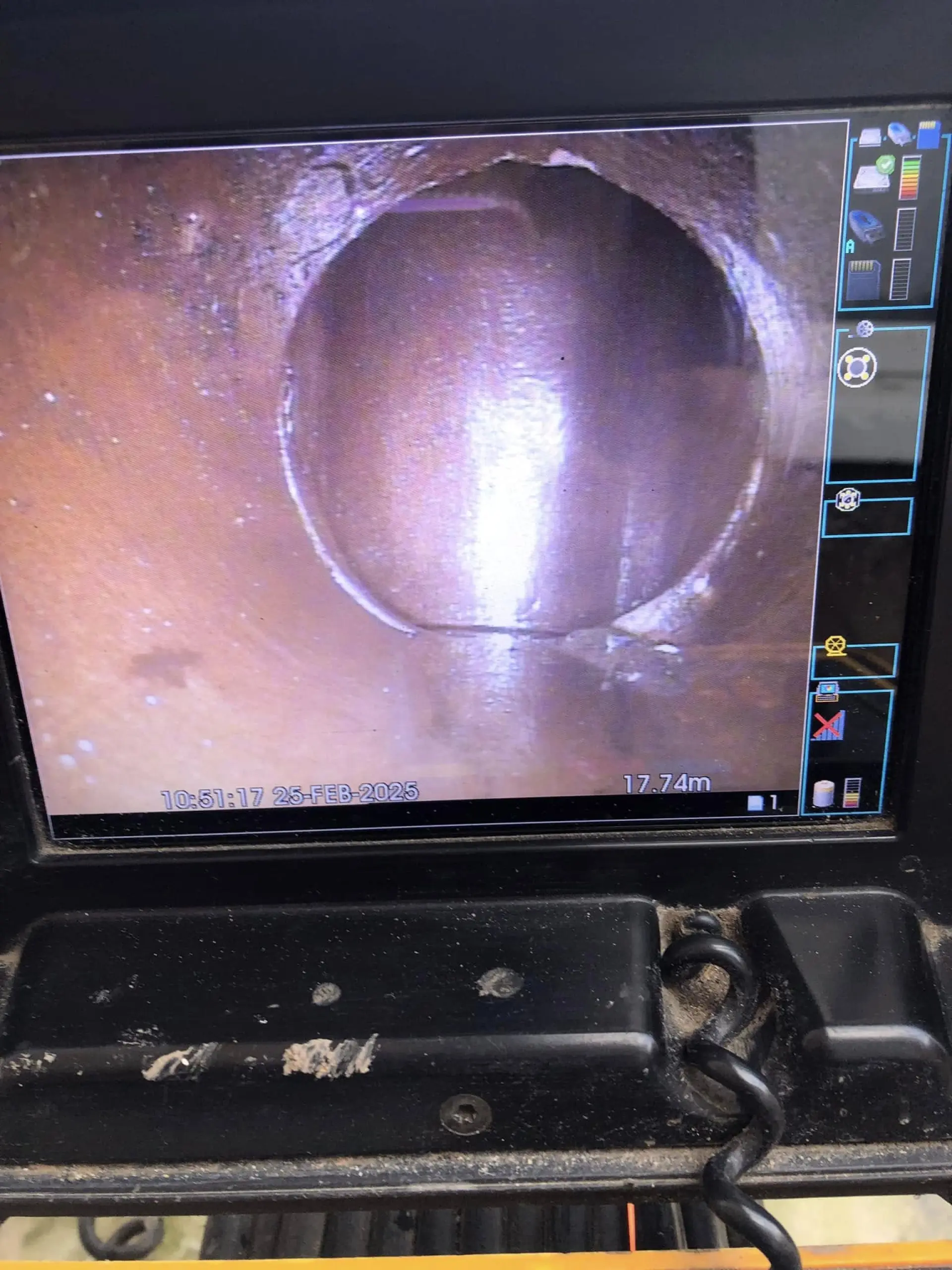
A CCTV drain survey can reveal damaged areas in detail, including faults that would be difficult to locate from the surface. Real time footage from the camera helps professionals inspect the inside of pipe runs and assess their condition without excavation.
The inspection can identify cracks, displaced joints, collapsed sections, leaks and other defects. The findings can then be recorded in a detailed report, usually accompanied by images or recorded footage. This evidence gives property owners greater clarity about the condition of their drains and helps them plan repairs based on what has actually been detected.
Early detection is important because a minor defect may become more expensive if water continues to escape into the ground. In some cases, repairs such as drain lining may be possible without extensive digging. More serious collapsed pipes may require excavation, but knowing the exact location of the damage helps keep disruption to a minimum.
Finding and repairing faults early can help prevent costly damage to a garden, driveway, buildings or foundations and reduce the risk of flood damage inside the property.
Detecting Tree Root Ingress and Root Damage
Tree root ingress is a frequent problem in older drainage systems. Roots naturally grow towards sources of water and moisture, which means even a small crack or weak joint can provide an entry point. Mature trees may have extensive roots that reach drainage pipes some distance away from the tree itself.
Once a tree root enters a pipe, it can continue growing inside it. Root ingress catches waste and debris, restricts flow and can eventually create a serious blockage. As the roots increase in size, they may place additional pressure on older pipes and contribute to cracks, displaced joints or complete collapse.
A CCTV drain survey can locate tree root intrusion and show how much of the pipe has been affected. Specialist cameras give professionals a clear picture of the inside of the pipe, enabling them to distinguish root intrusion from other issues such as grease, debris or structural damage.
Once the survey has identified the affected area, professionals can discuss suitable recommendations. Roots may need to be removed, after which damaged sections can be repaired or lined where appropriate. Simply removing the tree root without addressing the point of entry can allow future problems to develop.
Properties with mature trees, older drains or extensive landscaping may benefit from regular surveys. This preventative approach can help detect root growth before it causes a complete blockage, flooding or costly damage.
Checking Poor Drainage and Slow Water Flow
Flooding does not always begin with a broken pipe. Poor drainage performance can also cause water to back up when a system cannot carry it away quickly enough. Heavy rainfall places extra pressure on drains, and a pipe that operates adequately in dry weather may struggle when large volumes of water enter the system.
A CCTV drain survey gives professionals a real time view inside the drainage network. The camera can reveal problem areas where water flow is restricted, where standing water remains in a pipe, or where an obstruction is reducing capacity.
Possible causes include debris, fats and oils, poor connections, damaged pipes, root ingress or changes in the level of the ground. Older drainage systems can also contain outdated pipework that may no longer cope as effectively with the needs of a larger or altered property.
A drainage survey can also help when extensions, new construction or landscaping work have changed how water moves around a site. Identifying issues early gives professionals the information required to recommend cleaning, maintenance or repairs before flooding occurs.
Improving drainage performance can help prevent flooding during periods of heavy rainfall and protect the property from water damage, damp and other problems caused by poor drainage.
Seeing Hidden Drainage Issues Underground
Drains are hidden below the surface, so many potential issues cannot be seen during an ordinary property inspection. A problem can remain unnoticed until there are obvious signs such as foul smells, foul odours, slow draining water, damp patches, repeated blockages, overflowing drains or movement in the ground.
A CCTV drain survey removes much of this guesswork. CCTV technology allows the inside of pipes and sewers to be inspected directly, giving a clear picture of their condition. Hidden drainage issues such as cracks, displaced joints, obstructions, root damage and collapsed sections can therefore be detected before they become more serious.
This non invasive process can be particularly valuable where digging would be disruptive or expensive. Instead of opening large areas of a garden, driveway or floor just to locate a problem, the CCTV inspection can pinpoint where attention is required.
The survey footage also provides evidence that can support informed decisions about repairs and maintenance. If no serious faults are found, the inspection can provide peace of mind and confidence that the system is operating as expected.
For homeowners, landlords, businesses and buyers purchasing a new property, understanding what is happening below ground can be invaluable. A drain survey can reveal problems that would rarely be visible during a standard viewing or surface-level inspection.
Understanding CCTV Drain Surveys and How the Process Works
Understanding CCTV drain surveys is easier when you know what happens during the inspection. A professional CCTV drain survey typically starts by identifying suitable access points such as manholes or inspection chambers. The drainage engineer can then insert specialist cameras into the drains and guide the equipment through accessible pipe runs.
The CCTV camera sends live footage from inside the drainage system. This enables the engineer to inspect the pipes in real time and look for common issues such as cracks, roots, grease, obstructions, collapsed sections and incorrect connections. Depending on the equipment being used, the survey may also help establish the location, route and pipe diameters of parts of the system.
Where a fault is found, the camera can help pinpoint its location. This can make later repair work more focused and help avoid unnecessary digging. The footage can also be recorded so the condition of the drainage can be reviewed after the inspection.
A CCTV drainage survey is useful because it provides direct visual evidence rather than relying only on symptoms at the surface. A professional assessment can separate minor faults from more serious structural damage and provide expert recommendations on any further work required.
After the survey has been carried out, customers may receive a written report setting out the findings. Depending on the type of survey and reason for the inspection, the report may include the condition of the pipes, detected faults, locations of defects, images, video evidence and professional recommendations for maintenance or repairs.
How a Drain Survey Can Reduce the Risk of Flooding
Drainage problems can increase flood risk when they reduce the amount of water a system can carry. A blocked, cracked or collapsed pipe may work poorly during normal conditions and become overwhelmed when heavy rainfall arrives. This is why identifying potential problems before severe weather can be worthwhile.
The scale of wider flood risk in England also shows why drainage maintenance matters. The Environment Agency reports that around 6.3 million homes and businesses in England are in areas at risk of flooding from rivers, the sea, surface water or a combination of these sources. Around 4.6 million properties are in areas at risk from surface water flooding, including about 1.1 million in high-risk areas.
Surface water flooding is not the same as a private blocked drain, and a CCTV drain survey cannot prevent every type of flood. However, the Environment Agency explains that surface water flooding occurs when rainfall overwhelms drainage systems or cannot drain away quickly enough. Keeping private drains clear and in good condition is therefore an important part of protecting a property where its own drainage could contribute to local flooding.
A drain survey can identify restrictions before they cause overflows. It can also show whether damage has reduced the capacity of a pipe, allowing repairs or cleaning to be scheduled before the problem is tested by severe weather.
Ofwat's published figures for 2024–25 also show that internal sewer flooding remains a recognised issue across the water sector. Its sector average was 1.83 internal sewer flooding incidents per 10,000 sewer connections for that year. Private drainage and public sewers are different systems with different responsibilities, but the figures demonstrate the serious impact drainage failures can have when wastewater enters buildings.
When Should You Arrange a CCTV Drain Survey?
There is no single schedule that is suitable for every property. The need for a drain survey depends on the age and condition of the system, previous drainage issues, nearby trees, the type of building and how heavily the drainage is used.
A CCTV drain survey is particularly useful after recurring blockages, unexplained foul smells, slow draining sinks or toilets, water backing up, unusual dampness, ground movement or repeated emergency callouts. These signs can indicate hidden problems that ordinary drain cleaning may not solve.
Regular surveys may also be useful for older properties and commercial properties where a drainage failure could cause significant disruption. Commercial drainage often has to cope with larger volumes of water and waste, so preventative maintenance can help businesses manage risk and reduce unexpected downtime.
Annual surveys may be appropriate for some high-use sites, although annual inspection is not required for every home or business. A professional can recommend a suitable maintenance schedule based on the property size, age of the pipes, previous problems, type of use and findings from earlier drain inspections.
Regular drain surveys can also be useful after construction work, extensions or major changes to a site. The weight of vehicles, excavation work and movement in the ground can sometimes affect underground pipes, while building work can introduce debris into drains.
CCTV Drain Surveys When Buying a Property
Buying a house involves checking many parts of the building, but underground drainage can easily be overlooked. A standard property assessment may not provide a detailed inspection of drains, which means buyers could purchase a new home without knowing about hidden drainage problems.
A pre purchase survey of the drains can provide additional information before purchasing. During a pre purchase CCTV drain survey, specialist equipment is used to inspect accessible parts of the drainage system and record its condition.
The survey may identify blockages, root ingress, fractures, leaks, damaged joints, poor connections or collapsed drains. These findings can help buyers understand whether repairs are likely to be required and make informed decisions before the purchase is completed.
A pre purchase drain survey can be particularly relevant for older properties, buildings surrounded by mature trees and homes where extensions or other construction work have taken place. Older pipes may have been in the ground for decades, and previous repair work may not always be obvious from the surface.
Finding drainage issues before purchasing can provide clarity about possible future costs. It can also give buyers evidence to discuss with surveyors, drainage professionals or other relevant experts where further assessment is recommended.
Drain Surveys for Commercial and Residential Properties
CCTV surveys can be used for both residential and commercial properties. The basic process is similar, but the size and complexity of the drainage network can vary considerably.
For a residential property, a CCTV drain survey may focus on individual pipe runs serving the house, garden or driveway. The inspection may be arranged because of a blockage, suspected leak, flooding, a property purchase or concern about the condition of older pipes.
Commercial properties can have larger and more complex drainage systems serving kitchens, washrooms, car parks, production areas or several buildings. A drainage survey can provide useful data about the condition of these systems and help businesses create a planned maintenance strategy.
For commercial sites, identifying issues before they cause failure can be especially important because blocked drains, flooding or contamination may affect customers, staff and day-to-day operations. Preventative maintenance can therefore help reduce emergency disruption and protect the site.
Whether a survey covers residential or commercial drainage, the aim is to provide accurate information about the condition of the system and identify any action that may be required.
Can CCTV Surveys Help With Insurance Claims?
A CCTV drain survey can sometimes provide useful evidence when drainage damage forms part of an insurance claim. The recorded footage, images and written report can document the condition of pipes and show where a fault has been found.
This does not mean that every drainage problem will be covered by insurance. Policies and circumstances vary, so property owners should check the terms of their own cover and speak directly with their insurers when making a claim.
However, evidence from a professional CCTV drain survey may help confirm whether damage has been caused by events such as ground movement, root intrusion or a collapsed section. A detailed report can give the insurer and property owner a more accurate understanding of the problem and the repairs being recommended.
Keeping documented evidence can also be helpful where a fault has caused water damage, damp, contamination or damage to nearby structures. The report does not guarantee that an insurance claim will be accepted, but it can provide useful proof of what was found during the inspection.
What Problems Can a CCTV Drain Survey Identify?
A CCTV drain survey can identify many common drainage faults. These include blockages, grease deposits, root ingress, cracks, fractures, displaced joints, broken pipes, collapsed drains and other obstructions. It may also reveal water sitting where it should flow away, which can indicate changes in pipe levels or other structural problems.
The survey may detect damage caused by tree roots, ground movement, age, construction or heavy vehicles passing over shallow drainage. In some cases, drains may be in good condition but contain a local blockage that simply needs to be cleaned.
CCTV drainage technology also makes it easier to inspect hidden parts of a system without opening the ground. Because the camera travels inside accessible pipes, professionals can see defects that would otherwise remain out of sight.
Not every issue detected during CCTV surveys requires major work. Minor faults can sometimes be monitored or repaired using non invasive methods such as lining. More serious damage, including badly collapsed sections, may need excavation. The benefit of carrying out a drainage survey first is that decisions can be based on evidence rather than assumptions.
Why Early Detection Can Save Money
Drainage faults rarely improve on their own. A small crack can allow roots to enter, a slight obstruction can collect more debris, and a leaking joint can wash away surrounding soil. Problems that remain undetected may therefore become larger and more expensive over time.
Early detection gives property owners more options. A minor repair completed today may prevent costly structural repairs later. A blockage removed before heavy rainfall may help prevent an overflow. Tree root ingress identified before a pipe collapses may allow the affected area to be treated without replacing a longer section of pipe.
A CCTV drain survey can therefore be an important part of preventative maintenance. It allows property owners to understand the condition of their drains, prioritise work and plan repairs rather than waiting for an emergency.
This approach can also reduce disruption. Emergency digging after a collapse or flood is usually more difficult to manage than planned work carried out at a suitable time. Knowing where the problem starts and ends can help engineers use the most suitable repair method and avoid disturbing areas that do not need work.
Drainage Problems That Can Affect a Property
Drainage issues can affect more than sinks and toilets. Water leaking from damaged drains can increase moisture in the surrounding ground and may contribute to damp conditions around buildings. Severe or long-running leaks can also wash away soil around underground structures.
Flooding and wastewater overflows can cause damage to floors, walls, gardens and possessions, as well as creating hygiene concerns. Foul odours may also enter a home or commercial building when drainage is blocked or damaged.
Where a leak or damaged drain is close to foundations, professional assessment is important. Drainage is only one possible cause of structural movement or damp, so a CCTV inspection should be considered alongside other relevant investigations where there are wider concerns about a building.
A drain survey helps by confirming whether visible problems above ground are connected to faults inside the drainage system. If the drains are found to be in good condition, that information can also be useful because it allows other possible causes to be investigated.
Preventative Drain Maintenance and Regular Surveys
Preventative maintenance is generally easier to plan than emergency work. Keeping drains clear, responding to warning signs and arranging regular surveys where there is an ongoing risk can help prevent avoidable problems.
Homeowners should avoid putting fats, oils, grease and unsuitable sanitary products into drains. Businesses that produce larger amounts of grease or waste may need a more structured maintenance schedule to keep their drainage operating effectively.
Properties with mature trees may need additional attention because roots can find their way into even small pipe defects. Older drainage systems can also benefit from periodic checks because materials and joints may deteriorate with age.
A CCTV drain survey can be carried out as part of this maintenance. Regular CCTV surveys create a record of condition over time, making changes easier to identify. If a previous survey showed a minor fault, a later inspection can confirm whether it has remained stable or requires action.
The frequency of regular surveys should be based on the needs of the property rather than an arbitrary date. Professionals can advise whether routine inspections are worthwhile after considering the age of the drains, their use, previous blockages, surrounding trees and other risk factors.
What Happens After a CCTV Drain Survey?
Once a CCTV drain survey has been completed, the findings can be reviewed and any defects graded according to their condition where the survey service provides this level of detail. A report can explain what has been detected and where the problem is located.
If the drains simply need cleaning, the recommended next steps may involve removing grease, roots or other obstructions. Where structural damage is present, possible repairs can include local work, lining or excavation, depending on the type and severity of the fault.
The important point is that the recommendations are based on evidence gathered from inside the system. This allows the work to focus on the relevant parts of the drainage rather than opening the ground in several places to search for the problem.
Where there are no serious problems, the report can provide peace of mind. Property owners then have a record showing the condition of accessible drains at the date of the survey, which can be useful for future maintenance or when comparing changes over time.
How Much Does a CCTV Drain Survey Cost?
The cost of a CCTV drain survey depends on several factors, including property size, the number and length of pipe runs, access, the complexity of the drainage system and the level of reporting required. A larger commercial site will typically require more time and equipment than a straightforward residential inspection.
Access can also affect the cost. Where manholes and inspection chambers are easy to reach, the process may be relatively simple. Where access is restricted, drains are heavily blocked or additional cleaning is required before the camera can pass through, the survey can take longer.
A professional CCTV drain survey may cost more than simply clearing an obvious blockage, but it can identify why the blockage occurred and whether another problem is developing. In cases involving repeated drainage problems, this additional information can help prevent costly repairs and unnecessary digging later.
Customers should check what is included before arranging a survey. Depending on the service, this may include recorded footage, a written report, images, the location of faults and recommendations for repairs. Knowing what will be provided makes it easier to compare services on more than price alone.
Drain Surveys Near Me
Struggling with a drain blockage? Let us help. Tru Flow Drainage serve a 25-30 mile radius of Fleetwood and Thornton. Call today for drainage surveys in Fylde, Wyre, Blackpool and throughout Lancashire and the following areas:
Why Drain Surveys Matter for Older Properties
Older properties often have drainage that has been in use for many decades. Pipes may have been made from older materials, altered during extensions or connected to newer parts of the system at different times. Records of these changes may be limited or outdated.
A CCTV drain survey provides a practical way to inspect accessible older pipes without automatically resorting to excavation. The footage can reveal whether age has resulted in cracks, fractures, root entry, displaced joints or partial collapse.
Older properties with mature trees may have a greater chance of encountering root-related issues simply because the drains and surrounding roots have had longer to develop. This does not mean an old drain is inevitably defective, but checking its condition can provide useful information.
A drain survey can be especially worthwhile when buying an older home, planning an extension or investigating unexplained damp, subsidence or drainage problems. The results can then be considered alongside any other property surveys or structural assessments.
Professional CCTV Drainage Surveys Across the UK
CCTV drainage inspections are used throughout the UK because the technology provides a practical way to inspect underground drains without extensive excavation. Whether a property is in Lancashire, London, Kent or another part of England, the basic purpose of a CCTV drainage inspection is the same: to locate faults, understand their condition and provide evidence for suitable next steps.
Local drainage conditions can vary. The age of buildings, soil, trees, development history and local drainage arrangements can all affect the types of problems found. This is why the assessment should consider the individual property and site rather than assume every drainage problem has the same cause.
Experienced professionals use CCTV equipment to inspect accessible drains, interpret the footage and explain the findings. Where a fault is found, accurate information about its location and condition can support better decisions about maintenance and repairs.
For property owners, homeowners, landlords and businesses, CCTV drainage offers a way to see parts of a property that would otherwise remain hidden. That information can help protect buildings, reduce the chance of unexpected drainage failures and provide confidence when planning future work.
Frequently Asked Questions About CCTV Drain Surveys
Can a CCTV drain survey prevent flooding?
A drain survey cannot prevent every form of flooding, particularly flooding caused by rivers, severe surface water or problems outside the property owner's control. However, it can help prevent drainage-related flooding by finding blockages, collapsed drains and other faults that restrict flow. Early action can reduce the chance of private drains overflowing during periods of heavy rainfall.
Do drains need to be cleaned before a survey?
Not always. A camera can often be inserted immediately, but a heavily blocked drain may need to be cleaned before a complete inspection can be carried out. If the camera cannot move through the pipe, cleaning may be required to provide a clear view of its condition.
How long does a CCTV drain survey take?
The time required depends on the size and complexity of the system, access and the condition of the drains. A small residential survey may be relatively straightforward, while a larger commercial drainage survey covering multiple buildings and pipe runs can take several hours or longer.
Can CCTV find a collapsed drain?
Yes. CCTV can often identify a partial collapse or show where a camera can no longer travel because the pipe has collapsed completely. Professionals can then use the available evidence and locating equipment to pinpoint the affected area and plan repairs.
Is a drain survey useful before buying a new home?
Yes. A pre purchase drain survey can reveal hidden problems that may not be identified during an ordinary viewing. For buyers, knowing the condition of the drainage before purchasing can provide greater confidence and highlight potential repairs that may need further discussion.
Can CCTV detect leaks?
A CCTV inspection may show visible signs of leaks, damaged joints or cracks, although some leaks can require other methods of investigation. The most suitable approach depends on the type of problem and the part of the system affected.
Will a survey damage my property?
CCTV surveys are designed to be non invasive. Where suitable access exists, the camera is inserted through an inspection chamber, manhole or other drainage access point. This can help locate problems without digging up the garden, driveway or floor simply to find the fault.
What should I do if the survey finds a problem?
The next steps depend on what has been found. Some blockages can be cleaned, roots may be removed, minor damage may be suitable for lining, and serious collapsed sections may require excavation. A reliable survey should provide enough detail for you to discuss the available options and recommendations with drainage experts.
Protecting Your Property With Early Drainage Checks
Many serious drainage problems start with small, hidden faults. A crack, obstruction or tree root may initially have little effect, but the problem can grow over time. Waiting until drains are completely blocked or water enters the property can result in greater damage, disruption and expense.
CCTV surveys provide a direct view of the system and make identifying issues much easier. They can locate potential problems, confirm the condition of pipes and provide evidence that supports sensible maintenance decisions.
A drainage survey is particularly useful when there are warning signs, when buying a property, after repeated blockages or where older drainage needs checking. Regular inspections can also support preventative maintenance for properties where drainage failure would cause significant disruption.
By finding defects early, arranging required maintenance and keeping drains clear, property owners can reduce avoidable risk. A CCTV drain survey cannot remove every cause of flooding, but it is one of the most effective ways to understand hidden drainage and take action before a manageable problem becomes an emergency.
Need reliable CCTV drain surveys in Fleetwood, Blackpool, or across Lancashire? Tru Flow Drainage offers professional CCTV surveys for residential and commercial properties using modern CCTV technology. A professional inspection can identify hidden issues, provide a clear report and help you decide what maintenance or repairs are required. Contact the team today to arrange a survey and gain peace of mind about the condition of your drainage.