Clogged drains are a common problem in many households. From slow-draining water to unpleasant smells, the signs can appear before a full blockage takes place. With a bit of regular care and attention, you can avoid major plumbing issues and keep your home running smoothly.
Learn how to keep your drains flowing freely with expert tips on maintenance, drain guards, and natural cleaning methods to prevent blockages and odours.
Why Clear Drains Matter
Clear drains help to maintain a clean and safe home. When water cannot move freely through your pipes, it builds up pressure, causes foul smells and can lead to leaks or flooding. Over time, a mix of hair, grease, food scraps, and other debris gathers inside the pipes and causes stubborn blockages.
These clogs don’t just affect the sink they form in. One blocked drain can cause issues across your whole plumbing system, especially in older properties. Blocked drains also create a breeding ground for bacteria and can make your home less hygienic. That is why it is so important to keep water moving easily through every part of your system.
Build a Weekly and Seasonal Drain Care Routine
Empty sink strainers after washing up and remove hair from shower guards regularly. Once a week, clean removable stoppers and check that each fixture drains normally. Follow the fitting manufacturer's instructions instead of dismantling a trap that you cannot safely refit. Removing waste at the surface is more useful than repeatedly pouring cleaners into a pipe.
During autumn, check accessible outside grilles after leaf fall and storms. Collect leaves and silt in a container, keeping the openings clear. At other times, watch for changes in drainage speed, new gurgling and recurring odours. This is a suggested household routine, not a guarantee against an underground defect. A drain serving a busy kitchen may need different attention from one used occasionally.
Keep a Regular Maintenance Routine
To avoid surprise blockages, start with a simple drain care routine. Clear strainers and check that each fixture drains normally.
Remove grease before washing up: let it cool, scrape it into an appropriate waste container and wipe pans. Hot water does not make pouring fat into a drain safe.
Clean accessible stoppers and strainers weekly, then rinse with normal tap water if the drain is flowing. Avoid routine boiling-water treatments.
Baking soda and vinegar are not a reliable substitute for removing an obstruction. Never mix household products with chemical drain cleaner.
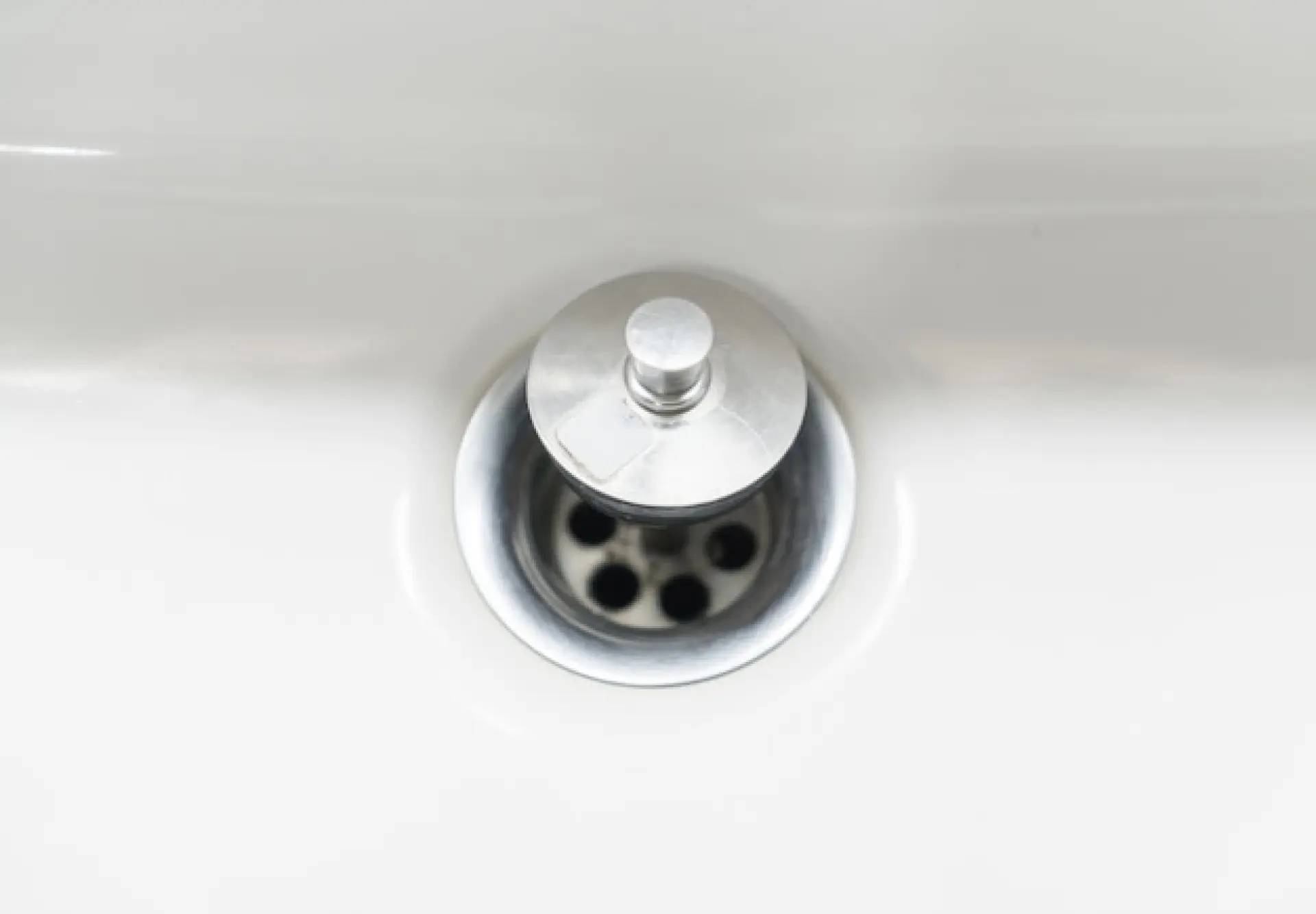
Bathroom drains should also be checked regularly. Pull out visible hair and soap residue from plugholes and clean any removable stoppers. Even small clumps can grow into full blockages if left unchecked.

Need help with blocked or damaged drains?
Tru Flow Drainage provides drainage services across Lancashire and nearby areas, including:
Watch What You Pour Down the Sink
What you send down your drains has a huge effect on how well they work. Hot oil or grease might look harmless when liquid, but as it cools, it sticks to the inside of pipes and collects anything that follows. Over time, this builds up and causes serious clogs.
Never pour fat or cooking grease into the sink. Let it cool, then scrape it into the bin. The same goes for food waste, use a compost bin or rubbish bin rather than rinsing scraps down the plughole. Even small pieces of pasta, rice or eggshells can cause trouble.
In the bathroom, avoid flushing anything other than toilet paper. Wet wipes, cotton buds and sanitary products may seem to disappear, but they often catch in the pipes and build up with other materials.

Use Drain Guards
Drain guards are a cheap and effective way to catch debris before it enters the pipes. They sit neatly over your plughole and stop things like food, hair and soap scum from slipping down the drain. This is especially useful in showers and kitchen sinks.
Choose a guard that fits well and clean it regularly. In the kitchen, remove and empty it into the bin after each use. In the bathroom, check it for tangled hair and rinse it under hot water. Keeping your guard clean is just as important as having one in place.
By using guards in all your main sinks and plugholes, you reduce the risk of debris travelling through the pipes and causing blockages deeper down.
Why Grease Should Be Collected Before Washing Up
Hot water moves cooking fat beyond sight, but the grease can cool and collect farther along the run. In December 2025, United Utilities reported that its work with food establishments had prevented almost 1,500 tonnes of fats, oils and grease from entering drains across the region over the previous year. That commercial figure illustrates the value of intercepting grease before it reaches the sewer.
At home, scrape cooled fat into an appropriate waste container, wipe pans and use a strainer for scraps. Check local disposal arrangements for larger amounts of cooking oil. Use normal tap water to rinse a drain that already flows freely. Neither boiling water nor a fizzing household mixture replaces removing an obstruction or repairing a damaged pipe.
Rinse Clear Drains and Remove Waste at Source
Normal tap water can rinse a clear sink after cleaning, but preventing blockages starts with keeping waste out. Remove food and grease before washing up and bin the contents of strainers.
Do not make kettles of boiling water part of a maintenance routine. A slow drain needs its cause identified; moving softened grease farther along the run may leave a blockage elsewhere.
If water backs up, stop adding more and check accessible guards and stoppers. Persistent slow drainage, gurgling or repeat blockages are reasons to arrange an assessment rather than keep flushing the system.
Distinguish a Dry Trap from a Recurring Blockage
An infrequently used basin, shower or floor drain can smell because water in its trap has evaporated. That water normally forms a barrier against drain odours. If the fixture is clear, run a little water to restore the seal and check whether the smell returns. This can help in an unused utility room or guest bathroom.
Persistent odours with slow drainage or gurgling need a different response. Clean accessible stoppers and look for visible leaks without disturbing hidden pipework. If several fixtures are affected, or the same drain blocks again soon after clearance, arrange an assessment. Keep previous survey and repair information so the engineer can compare findings and decide whether cleaning or a CCTV inspection would explain the recurrence.
Need professional help keeping your drainage system in top condition? We offer expert drainage maintenance for homes and businesses across Fleetwood, Blackpool, and Lancashire, with 24/7 availability and over 25 years of experience.