Discover how to protect your drains in winter with expert tips on clearing debris, insulating pipes, and preventing freezing. Keep your drainage system reliable year-round.
Clear Leaves and Debris Before Cold Weather Hits
Before temperatures drop, it’s important to remove leaves, twigs and other debris from around your drains. Blocked drains can stop water from flowing properly, which leads to standing water that can freeze.
When water freezes in or around your drains, it can cause cracks or damage to the pipes. Use a rake or brush to regularly clear garden areas, especially in autumn when leaves fall more often.
Make sure you dispose of waste properly, either through composting or garden waste bins. Taking this simple step early in the season can help avoid bigger problems later, saving time and money on costly repairs.
Prepare for Winter Rain as Well as Frost
The Met Office's provisional winter 2025/26 figures recorded 390.1 mm of UK rainfall, 113% of the 1991-2020 average. England recorded 142% of its average. These national figures do not predict conditions at a particular property, but they underline the need to keep rainwater routes clear before storms.
Walk around the property before forecast heavy rain and after leaves have fallen. Check patio channels, gully grilles and the ground around downpipe outlets. Remove debris into a container rather than sweeping it into the drain. Persistent ponding after rainfall deserves investigation before the next cold spell. Arrange professional gutter cleaning where safe access from ground level is not possible.
Insulate Outdoor Pipes and Drains
Outdoor pipes and exposed drainpipes are particularly vulnerable in winter. If temperatures fall below freezing, any water left inside can freeze, expand and crack the pipe.
This can lead to serious leaks or even flooding when it thaws. To avoid this, insulate your outdoor pipes using foam tubing or pipe wrap. These materials are easy to find at most DIY stores and simple to fit at home.
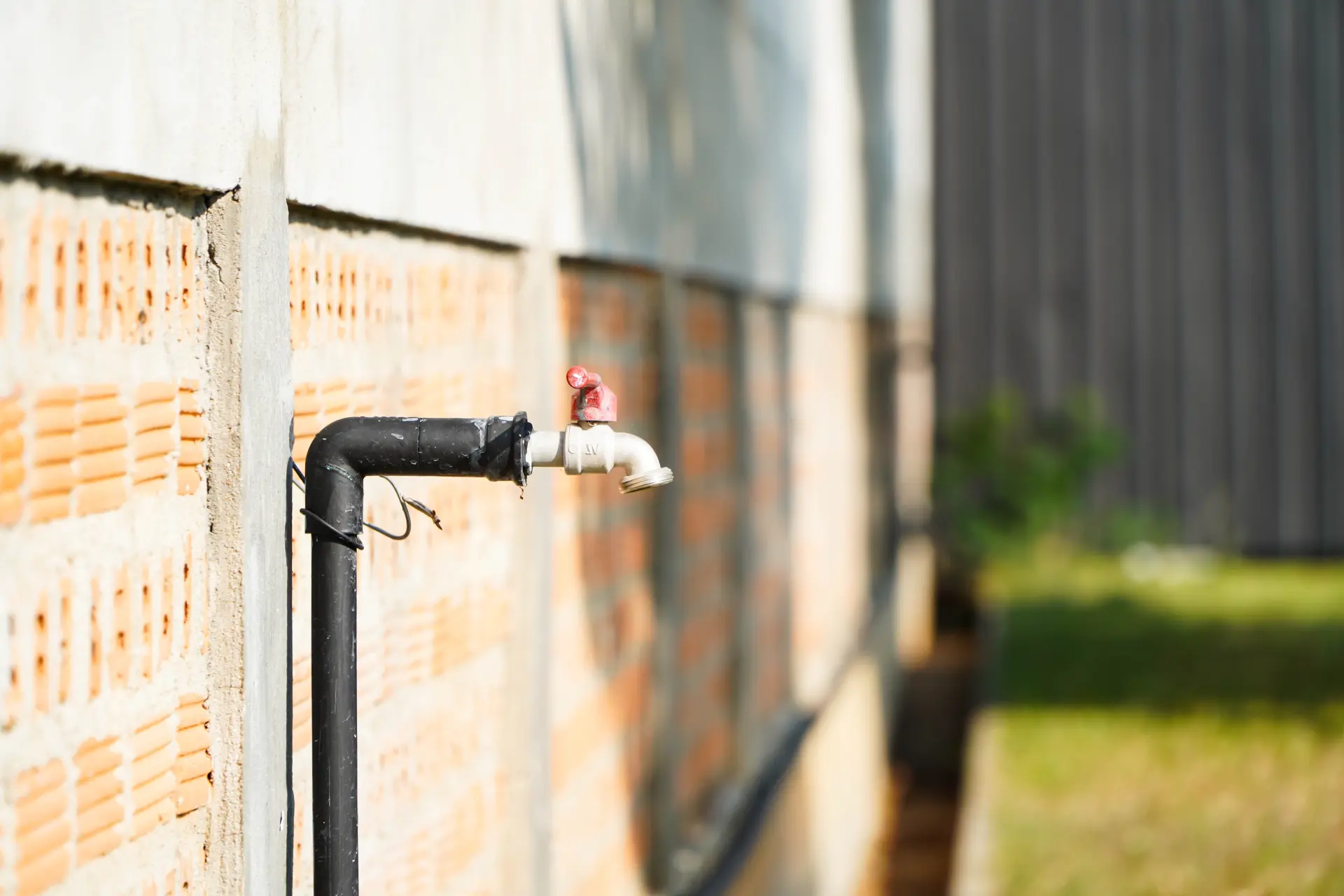
Focus on exposed water supply pipes in unheated garages, sheds and other cold spaces. Keep drainage openings clear and use only purpose-made guards that allow water through. Do not seal grilles with insulation.
If you're unsure about which insulation to use, speak to a local plumber for advice. It’s also wise to turn off outdoor taps that you won’t need in the colder months and drain them properly.
With the right insulation and preparation, you can keep your drains working smoothly and prevent winter damage.
Keep Gutters and Downpipes Clean
Blocked gutters and downpipes can lead to serious issues in winter. If rainwater can’t flow freely, it may collect and freeze, adding weight that can crack or damage your pipes. To prevent this, clean gutters and downpipes regularly - especially after heavy rain or strong winds. Remove leaves, moss and dirt by hand or with a scoop, and rinse with water to check the flow.
You can also install guards or covers to reduce future build-up. Regular cleaning helps keep water moving away from your property, which protects both your drains and your home’s foundation.
Separate Drainage from Water Supply Protection
Different pipes need different protection. Water supply pipes stay full, and exposed sections benefit from suitable insulation. Rainwater downpipes and underground drains rely on clear outlets and free flow: wrapping a blocked downpipe does not remove the obstruction. Keep drainage grilles open, using only correctly fitting guards that allow water through.
Check outdoor lagging for damage and use weather-resistant insulation on exposed supply pipework. For boiler condensate pipes, follow the manufacturer's instructions or ask a qualified heating engineer. A boiler fault during frost may involve condensate drainage, but it does not prove that the household sewer is frozen. Before leaving home, locate the stop tap and arrange someone to check the property.
Blocked Drains Near Me
Struggling with a drain blockage? Let us help. Tru Flow Drainage serve a 25-30 mile radius of Fleetwood and Thornton. Call today for drainage specialists in Fylde, Wyre, Blackpool and throughout Lancashire and the following areas:
Repair Drips and Protect Exposed Pipes
Repair dripping taps and showers before a freeze. United Utilities advises that drips can leave water in pipes or drains that may freeze. Insulate exposed supply pipework, especially in unheated spaces, and use low heating or a frost setting when away. Do not leave taps running as a routine way to protect drains.
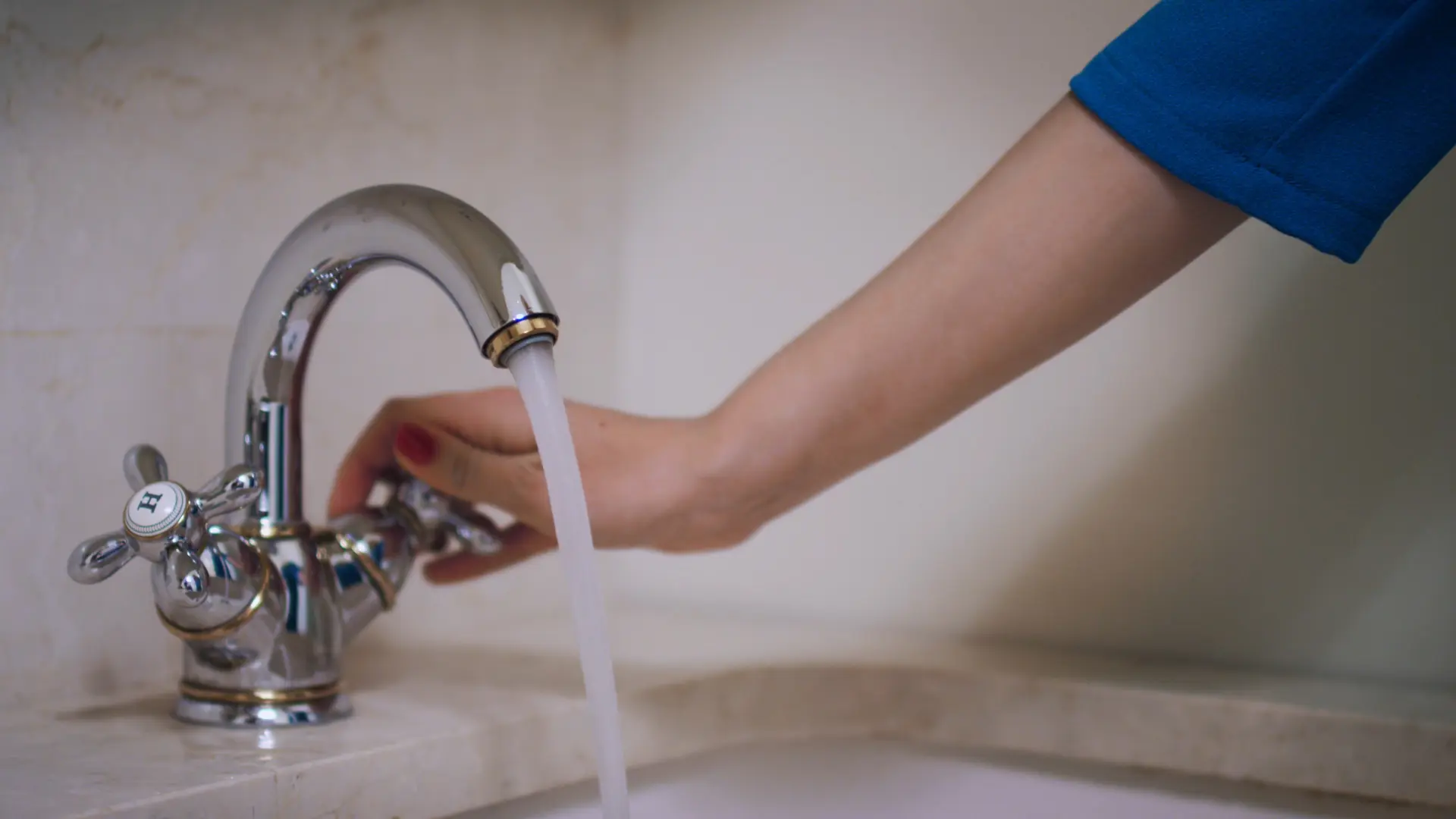
If you’re planning to be away for more than a day during a cold snap, keep your heating on low and ask someone to check your property.
You can also open cupboard doors beneath sinks to let warm air reach hidden pipes. If you do notice slow water flow or odd sounds from your pipes, it could mean ice is forming.
In this case, turn off the water at the stop tap and call a plumber. Taking small actions like these can help prevent major water damage and costly repair bills.
Keep Festive Cooking Fat Out of Drains
In its December 2025 warning, United Utilities said it had dealt with more than 2,000 avoidable blockages caused by fats, oils and grease across the North West. Hot washing-up water does not make pouring cooking fat into a drain a safe disposal method, even when it appears to run away.
Let fat cool, scrape plates and wipe greasy pans before washing them. Collect larger amounts of oil in a suitable container and follow local disposal or recycling guidance. Keep wipes and kitchen paper out of toilets when guests are staying. United Utilities' winter guidance also recommends repairing dripping taps and using low heating or a frost setting when away; check with a heating engineer before isolating a supply that could affect the heating system.
Check for Leaks or Cracks Early
Before winter sets in, inspect your drains and pipes for early signs of damage. Small leaks or hairline cracks might not seem serious now, but freezing temperatures can make them much worse. Look for damp patches, water stains, or mould around pipe joints or drain openings. Check outdoor drains for damage or loose fittings.
Have leaks, cracks and loose fittings assessed by a suitable professional. Tape or sealant is not a permanent repair for damaged drainage pipework. Acting before winter reduces the risk of an unresolved fault becoming more disruptive.
Struggling with a drain blockage in your home? Let us help with drain unblocking in Blackpool and Lancashire. We are a drainage contractor that has been resolving drainage issues for local homes, businesses, and property developers for more than 25 years.