Discover the crucial signs your drainage system needs urgent attention and avoid serious damage. Let us help you identify and fix these issues promptly.
Why Should Drainage Problems Be Taken Seriously?
Drains are designed to move wastewater safely away from your property. When something prevents this from happening, pressure and wastewater can build up within the system.
Many drainage problems begin with a partial blockage. Hair, grease, soap, food waste and other material can gradually collect inside pipes. Water can still pass through at first, so the problem may not be immediately obvious. As more material collects, the space available for water becomes smaller.
Eventually, the drain may become completely blocked. Other drainage problems can be caused by damaged pipes, tree roots, displaced joints or faults elsewhere in the system. This is why recurring problems should not simply be ignored or repeatedly treated without finding the cause.
The sooner a drainage problem is identified, the better the chance of dealing with it before it causes greater disruption.
Slow-Draining Sinks, Baths and Showers
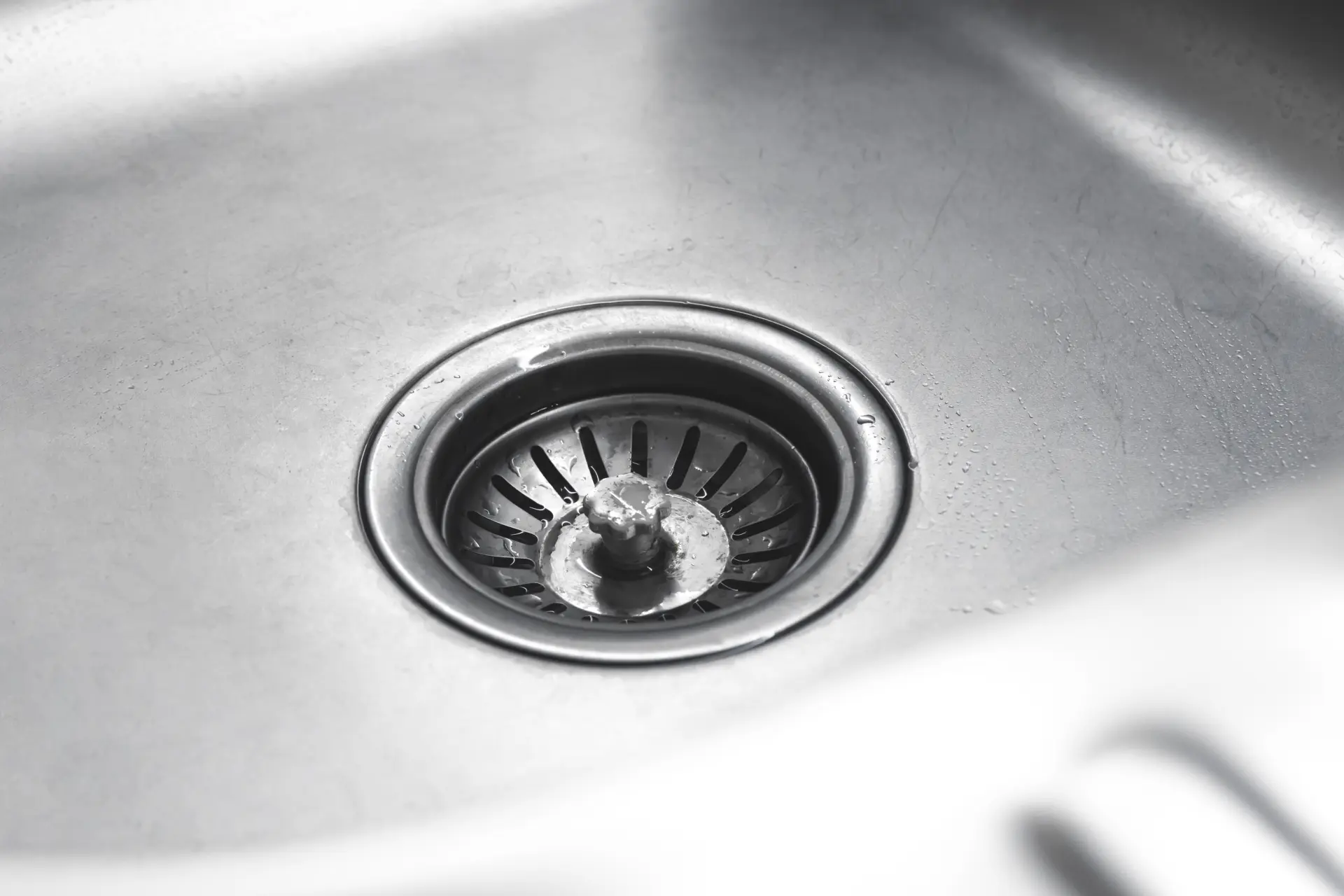
Slow drainage is one of the most common early signs that something is wrong. A sink should empty reasonably quickly after use. Water should not remain in a shower tray for a long period, and a bath should not take an unusually long time to drain.
When water begins moving away more slowly, there may be a restriction somewhere within the waste pipe. In bathrooms, hair and soap can gradually collect inside pipes. In kitchens, food particles, cooking fats, oils and grease can contribute to restrictions. A drain does not need to be completely blocked to need attention.
In many cases, slow drainage is the stage before a more serious obstruction develops. If only one sink or shower is draining slowly, the problem may be close to that fitting. If several drains around the property become slow at the same time, the issue may be further along the drainage system. Changes affecting several drains should therefore be taken seriously.
Water That Stops Draining Completely
A drain that does not empty at all requires more urgent attention. Standing water in a sink, bath or shower can indicate that the pipe has become completely or almost completely blocked.
Continuing to use the affected fitting can make matters worse because additional water has nowhere to go. Depending on where the blockage is located, water could eventually return through another part of the drainage system.
If a toilet, sink or shower stops draining completely, reducing water use until the problem has been investigated can help limit the risk of an overflow.
Unpleasant Smells Coming from Drains
A persistent unpleasant smell from a drain should not simply be covered with an air freshener.
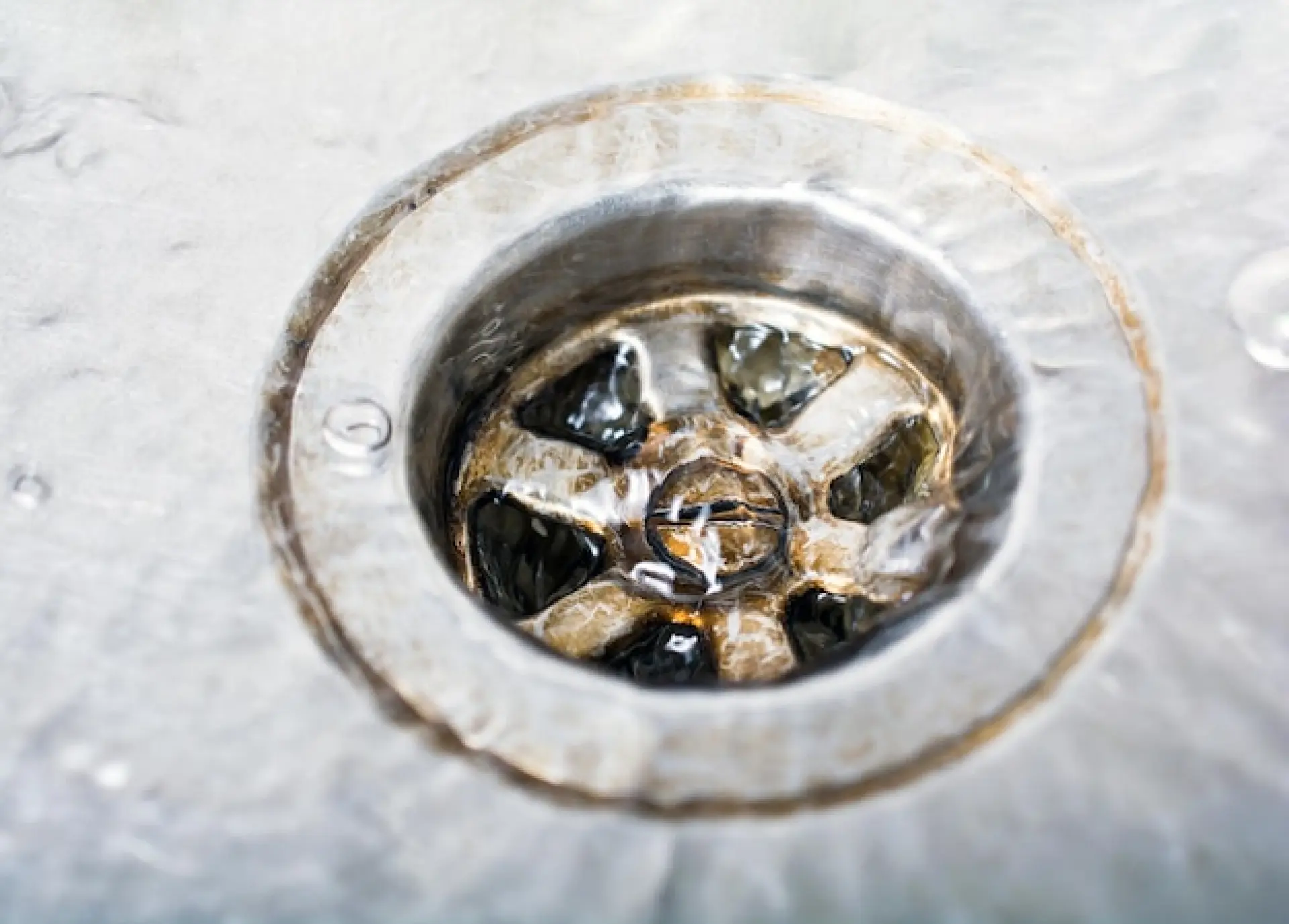
Food waste, grease, hair and other material can become trapped inside pipes. As this material remains in the drainage system, it can begin to smell. Standing wastewater can also create unpleasant odours.
Sometimes the cause is relatively close to the affected sink or shower. In other cases, persistent smells can indicate a problem elsewhere within the drainage system. Ongoing odours may point towards a deeper drainage or ventilation problem.
Pay attention to when and where the smell appears. If it repeatedly returns after cleaning, professional investigation may be appropriate.
Blocked Drains Near Me
Struggling with a drain blockage? Let us help. Tru Flow Drainage serve a 25-30 mile radius of Fleetwood and Thornton. Call today for drainage specialists in Fylde, Wyre, Blackpool and throughout Lancashire and the following areas:
Gurgling or Bubbling Sounds
Drains should not regularly produce loud gurgling or bubbling noises. These sounds can occur when air and water are struggling to move through the drainage system normally. A developing blockage may leave less space for both wastewater and air to pass through the pipe.
You may notice gurgling after flushing a toilet, emptying a bath or running water down a sink. The location of the sound can also provide useful information. For example, if flushing a toilet causes another nearby drain to gurgle, there may be a restriction affecting a shared section of pipework.
An occasional quiet noise may not necessarily mean there is a serious problem. Regular or increasingly noticeable gurgling, particularly when combined with slow drainage, smells or rising water, should be investigated.
Water Backing Up into Sinks, Baths or Showers
Water appearing where it should not is one of the clearest signs that a drainage system needs attention. You might flush a toilet and notice water rising in a nearby shower. Emptying a sink might cause water to appear elsewhere. A toilet may rise unusually high before slowly returning to its normal level.
These symptoms can indicate that wastewater cannot move freely through the drainage system. Instead of travelling away from the property, the water may be finding another route through connected pipes.
A wastewater backup should not be ignored. Continued use of sinks, toilets, washing machines and other fittings can add more water to the system and increase the chance of an overflow.
Toilets That Are Difficult to Flush
A toilet that suddenly becomes difficult to flush can indicate a blockage. You may notice that water rises unusually high in the bowl before slowly disappearing.
In other cases, the toilet may flush weakly or require several attempts. The problem could be limited to the toilet itself, particularly if something unsuitable has been flushed.
However, if other drains are also behaving unusually, there may be a wider drainage problem. A toilet that repeatedly struggles to flush should be investigated rather than treated as normal.
Recurring Drain Blockages
A blockage that happens once may be caused by a temporary build-up of waste. A blockage that repeatedly returns can suggest something more serious.
If the same sink, toilet or outdoor drain keeps becoming blocked after it has been cleared, there may be an underlying reason. Recurring blockages can result from stubborn waste build-up but can also be associated with tree roots or damage within drainage pipes.
Repeatedly clearing the immediate blockage may restore drainage temporarily without solving the cause. An inspection can help establish whether there is a damaged pipe, root entry or another problem that requires a longer-lasting solution.
Several Drains Developing Problems at the Same Time
One slow sink can point towards a local blockage. Several affected drains can indicate a larger problem. For example, you might notice that the kitchen sink drains slowly while the downstairs toilet also gurgles. The shower may then begin taking longer to empty.
When several fittings develop problems within a similar period, the obstruction may be located in a section of drainage pipe shared by those fittings.
This situation deserves prompt attention because a blockage affecting a larger part of the system could eventually prevent wastewater from leaving the property properly.
Water Pooling Around Outdoor Drains
Outdoor drains should allow water to move away rather than leaving large pools around the property.
Standing water around a gully or drain can indicate that leaves, mud, silt or other debris are preventing water from entering or travelling through the drainage system. The problem may become particularly noticeable after heavy rain.
A small amount of temporary surface water does not always indicate a drainage fault, especially during very heavy rainfall. However, water that remains for a long period or repeatedly appears around the same drain should be investigated. Water pooling around drains and gardens is a warning sign that should not be overlooked.
Overflowing Outdoor Drains
An outdoor drain that is actively overflowing requires prompt attention. Wastewater or rainwater may rise from the drain when there is a blockage further along the pipe.
The water cannot continue along its intended route, so it escapes through an available opening. You may first notice this after using a washing machine, running a bath or flushing a toilet.
If wastewater is appearing outside the property, continuing to use large amounts of water indoors could make the overflow worse. Professional drainage help may be required to locate and clear the obstruction.
Damp Areas and Unexplained Water
Not every drainage problem appears directly at a plughole. Water appearing around floors, walls, gardens or other areas without an obvious source may require investigation.
A damaged underground drain can allow wastewater to escape into the surrounding ground. Similarly, a leaking internal waste pipe can allow moisture to reach walls, floors and cupboards. Damp patches can have many causes, so their presence does not automatically mean there is a drainage problem.
However, unexplained damp combined with drainage smells, slow drains or repeated blockages can provide an important clue. Damp patches, mould and water damage may sometimes be connected with drainage problems.
Cracks and Property Damage
Serious drainage problems can sometimes contribute to wider property issues, particularly when water is escaping into the surrounding ground.
However, cracks in walls and floors can have many causes and should not automatically be blamed on drainage.
If significant cracks appear alongside persistent water pooling, ground movement or known underground drainage problems, further investigation may be sensible.
The aim should be to identify the actual cause rather than assume that every crack is connected with a drain.
Signs of Tree Root Problems
Trees can create drainage problems when roots find their way into damaged pipes or joints. Roots naturally grow towards sources of moisture. If a drainage pipe has a small crack or an opening around a joint, roots may enter the pipe and continue growing inside it.
Once inside, they can restrict water flow and catch toilet paper, grease and other waste. This can lead to repeated blockages. Tree root problems can be difficult to identify without inspecting the inside of the drainage system.
One warning sign is a drain that repeatedly becomes blocked even after it has been properly cleared. Properties with mature trees close to underground drainage routes may need particular attention if blockages keep returning.
Increased Pest Activity Around Drains
Drainage problems can sometimes create conditions that attract pests. Standing water and trapped food waste can provide sources of moisture and food. Damaged drains may also create possible routes through which pests can travel.
Increased pest activity is another possible warning sign, particularly where waste, standing water or damaged drainage is present.
Seeing a single insect near a drain does not mean the drainage system has failed. However, a sudden increase in pest activity combined with bad smells, standing water or repeated blockages may justify further investigation.
Where there is a serious pest problem, both the pest issue and any underlying drainage fault may need to be addressed.
Struggling with a drain blockage in your bathroom or kitchen? Let us help. Our drainage contractor in Blackpool and Lytham St Annes, has been resolving drainage issues for local homes, businesses, and property developers for more than 25 years.