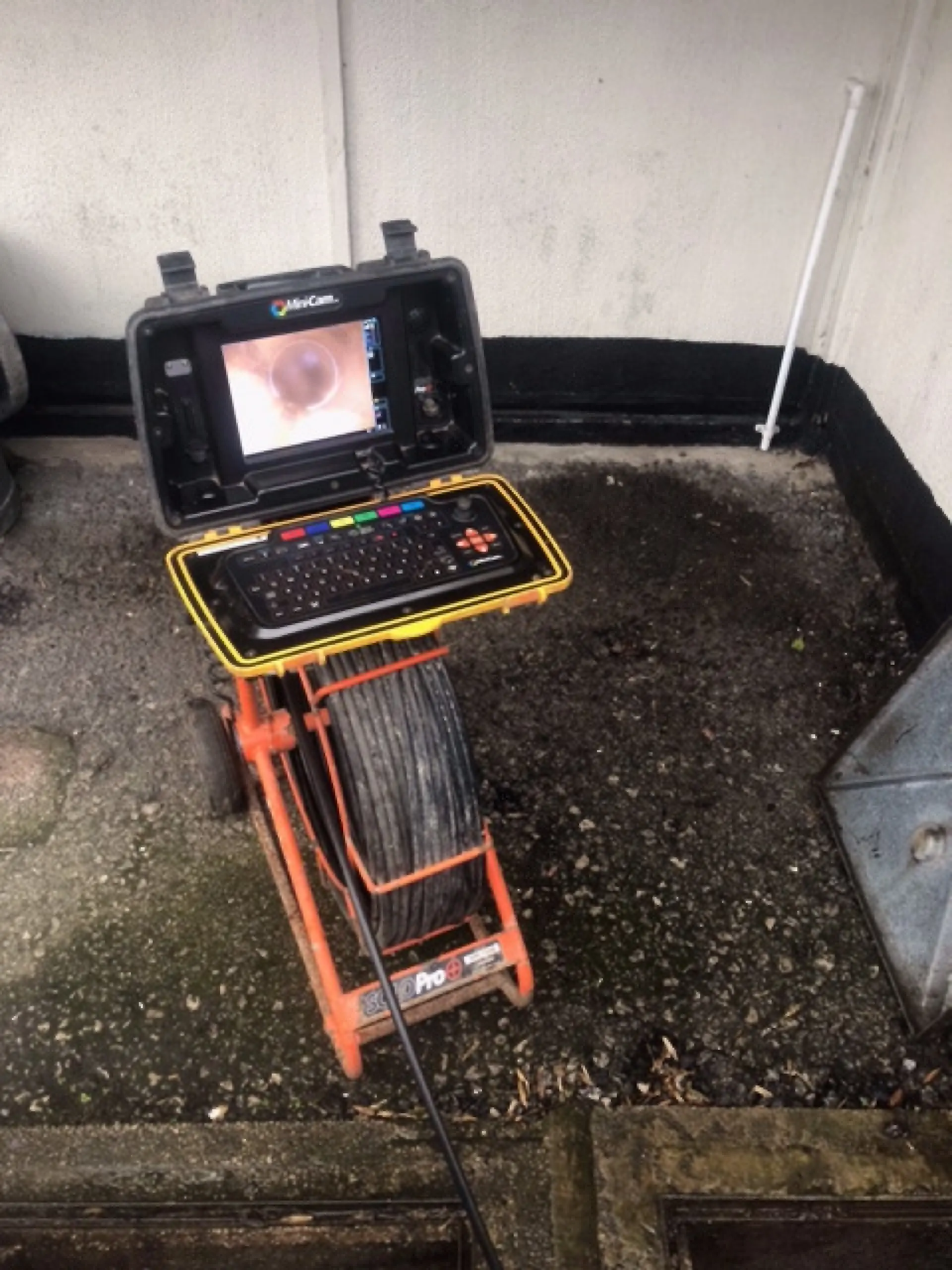
What Can a CCTV Drain Survey Find? This non-invasive method helps identify drainage problems such as cracks, root entry, and water build-up.
A CCTV drain survey is a quick and non-invasive way to check the condition of your drains. By using a small camera on a flexible cable, experts can move through the pipes to find faults without digging. It’s a practical way to identify problems early and decide what work needs to be done.
Blockages in the Pipes
Blockages are one of the most common reasons for drain problems. Everyday items like cooking fat, wet wipes, and food waste can easily get stuck and build up inside your pipes. Over time, these build-ups stop water from flowing and lead to unpleasant smells, slow drainage, or even flooding.
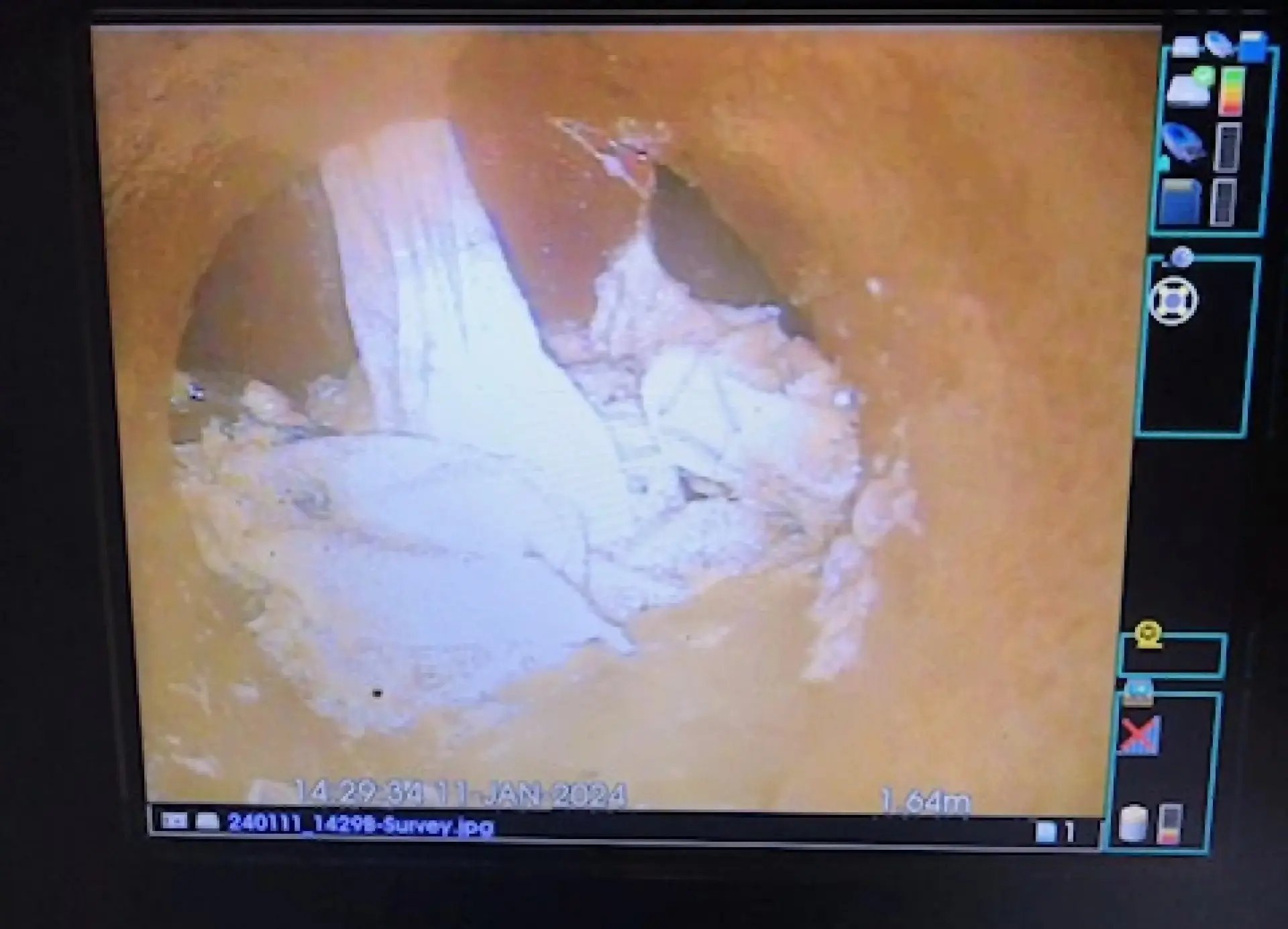
A CCTV drain survey can show an accessible blockage and record its position along the inspected run. This is especially helpful if the blockage is deep in the system or keeps coming back. By seeing the blockage on camera, drainage experts can choose the best method to clear it and stop it from happening again.
Repeated blockages can also be a sign of a larger issue, such as pipe damage or poor installation. A survey helps find out whether the blockage is just a surface issue or part of a bigger problem with your drains.
Displaced Joints, Deposits and Standing Water
A camera can reveal a step between pipe sections, an open joint, scale or deposits that narrow the bore. These findings help explain why waste catches at the same point after clearance. The operator records the position along the surveyed run so the defect can be considered alongside the drainage layout.
Standing water may indicate a low section, an obstruction farther downstream or other flow conditions. Footage alone does not establish the exact gradient or prove the cause. Further cleaning, inspection from another access point or additional measurements may be needed before recommending excavation or relining. A locating transmitter may help trace the run from above; check whether this is included in the agreed survey.
Cracks and Breaks
Cracks and breaks in pipes often happen without any clear warning. They can be caused by soil movement, heavy traffic above ground, tree root pressure, or general ageing of the drainage system. Even strong plastic or clay pipes can suffer damage over time.
During a CCTV survey, the camera picks up clear images of any damage inside the pipe. Even small cracks can allow water to escape into the surrounding ground, weakening the soil and causing further issues like sinkholes or surface collapse.
If left unchecked, these cracks can grow and cause sections of the pipe to break apart or collapse entirely. Finding and repairing them early reduces the chance of costly emergency work later.
Need help with blocked or damaged drains?
Tru Flow Drainage provides drainage services across Lancashire and nearby areas, including:
Tree Root Invasion
Tree roots are one of the more surprising causes of drain trouble. They are naturally drawn to moisture, so when they find even the tiniest gap or crack in your pipes, they start to grow inside them. This causes not only blockages but also major structural damage as the roots force the pipe apart.
With a CCTV survey, you can see exactly where the roots have entered and how much damage they’ve caused. This information is key for planning root removal and making the necessary repairs. If caught early, it may be possible to remove the roots without having to replace large sections of pipe.
Tree root damage is more common in older systems or those with clay pipes, but it can affect modern drains too, especially if trees are planted too close to your home.
What a CCTV Drain Survey Cannot Confirm
The camera sees the accessible inside surface of a pipe. It cannot see through standing water, thick deposits or a complete obstruction, or inspect beyond a collapse that stops it passing. Tight bends and inaccessible branches can also leave parts of the system unchecked. The report should identify these limits rather than describe an incomplete inspection as an all-clear.
A clear picture is not a watertightness test, and a camera cannot measure hidden wall thickness or establish the condition of all surrounding ground. Suspected leakage may need separate testing. Cleaning may be needed first to expose the pipe surface. Explain whether the survey is for repeat blockages, a house purchase or planned building work so the scope and access requirements can be agreed.
Collapsed or Damaged Pipes
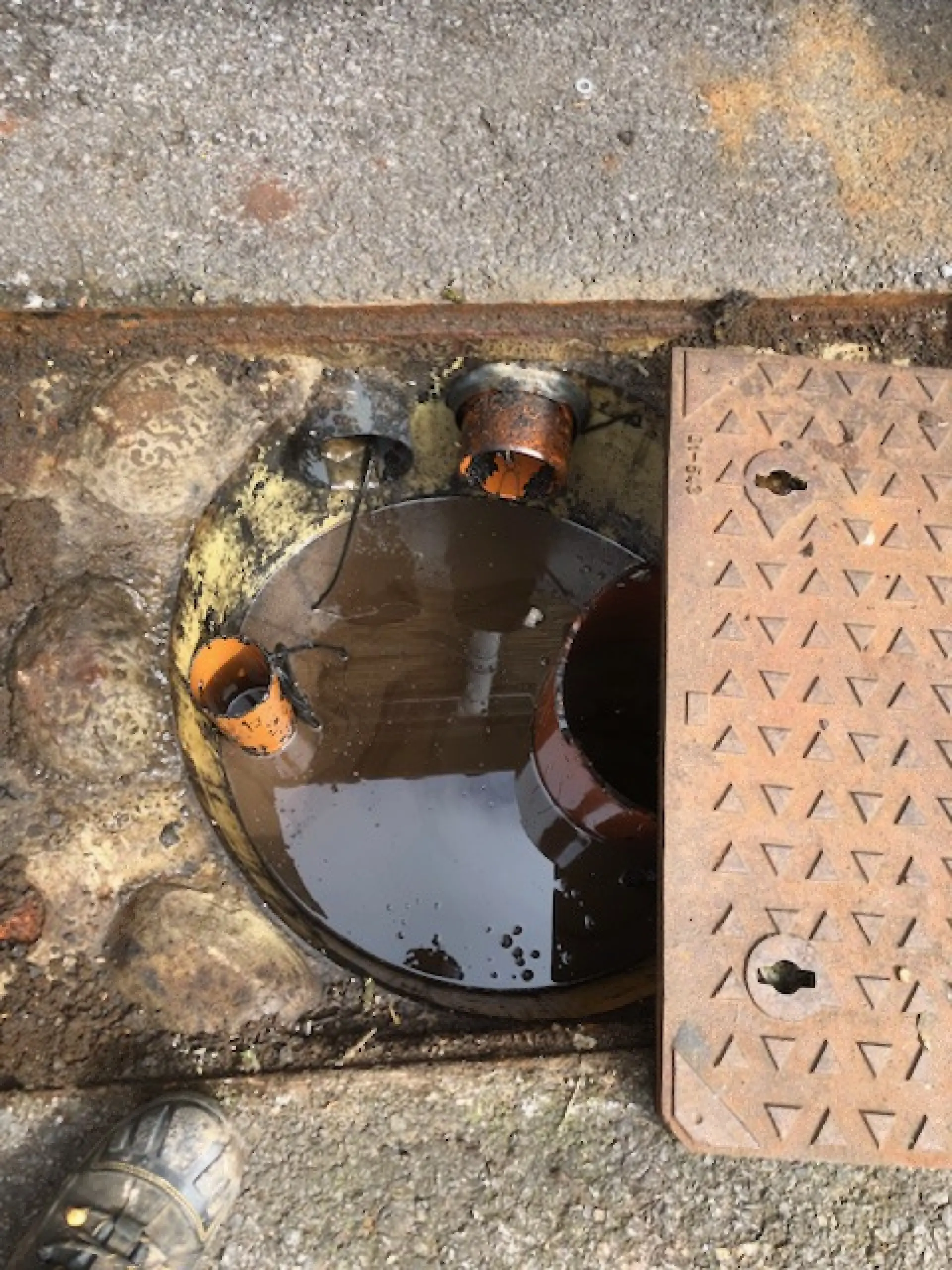
A collapsed pipe is a serious issue that can lead to complete failure of the drainage system. Collapses can be caused by long-term wear, poor installation, soil pressure, or movement in the ground, especially after heavy rainfall or construction work nearby.
If your drains are backing up or you notice water pooling in your garden, a collapsed pipe could be the cause. A CCTV drain survey may show a collapse where the camera can reach it, although a complete obstruction can prevent inspection beyond that point.
Engineers use the evidence to plan targeted repairs. Relining is suitable for some defects, while a severely collapsed section may require excavation and replacement.
Signs of Wear and Tear
Even if there are no clear signs of a problem, your pipes could still be showing early signs of wear and tear. Joints may become loose, pipe walls might begin to thin, and small leaks could start to form. These issues often go unnoticed until a bigger problem appears.
A CCTV survey gives a detailed look at the overall condition of your drains. This can be useful when buying a new home, planning renovations, or carrying out routine maintenance. By identifying early signs of damage, you can take steps to fix them before they turn into costly repairs.
It’s also useful for checking that any past repair work is still holding up and that the drains are continuing to perform properly over time.
Use the Report to Decide What Happens Next
United Utilities' 2026 Pollution Incident Reduction Plan says more than 60% of blockages on its sewer network are caused by customer behaviour. That is not a statistic about defects in surveyed homes or CCTV accuracy; it shows why a deposit must be distinguished from structural damage before a repair is chosen.
- Ask for the inspected runs and access points to be identified.
- Check that video or images support each reported defect.
- Look for distances along the run and direction of inspection.
- Ask which branches were inaccessible or obscured.
- Request recommendations separating cleaning, monitoring and repair.
Deposits may need cleaning; root entry may need removal and repair of the entry point. Relining depends on the remaining pipe condition, while a severe collapse may require excavation. Ask for an explanation of any condition grades and confirm ownership before commissioning repairs.
Need reliable CCTV drain surveys in Fleetwood, Blackpool, or across Lancashire? Tru Flow Drainage offers professional, affordable inspections using advanced CCTV technology - available 24/7 for both residential and commercial properties.