Discover why home buyers should consider a drain survey before buying a house, how a CCTV drain survey can identify hidden drainage problems, and why checking the property's drainage system before purchase can help prevent costly repairs and expensive surprises after moving into a new home.
What Is a Home Buyer's Drain Survey?
A home buyer's drain survey is a specialist inspection used to assess the condition of the drainage system before a property is purchased. A pre purchase drain survey normally involves feeding a high resolution camera through accessible drains and pipework so that drainage engineers can see the internal condition of each pipe. This CCTV drain survey can identify hidden issues that cannot normally be seen from ground level.
Unlike a standard home survey, which mainly looks at the building, its visible condition and accessible areas, a drain survey focuses on underground drainage. Standard property surveys may include a visual inspection of an accessible inspection chamber, but they do not necessarily include a detailed CCTV drain inspection of the property's drainage system. This is an important gap for buyers who want a clear understanding of the drains before committing to a purchase.
During the inspection, a waterproof camera is moved through the system while recording video footage. The drainage engineers can assess pipe joints, connections, cracks, fractures, corrosion, blockages, root intrusion, collapsed sections, scale build up and the general flow of wastewater. Live footage allows the engineer to follow the pipe route and record the location of faults that may require attention.
A home buyer's drain survey should normally result in a detailed report explaining the findings. Depending on the survey, this may include recorded footage, still images, a drain map, information about defects and recommendations for repairs or remedial work. A thorough survey can therefore give buyers much more information about the drainage system than a simple surface check.
For many buyers, arranging a drain survey before buying provides useful reassurance. If the survey reveals serious drainage problems, there is still time to assess the potential cost, speak to the seller and decide how the findings affect the property purchase. If the drains are in good condition, the survey can give buyers greater confidence when moving forward.
Common Drainage Problems Found in UK Homes
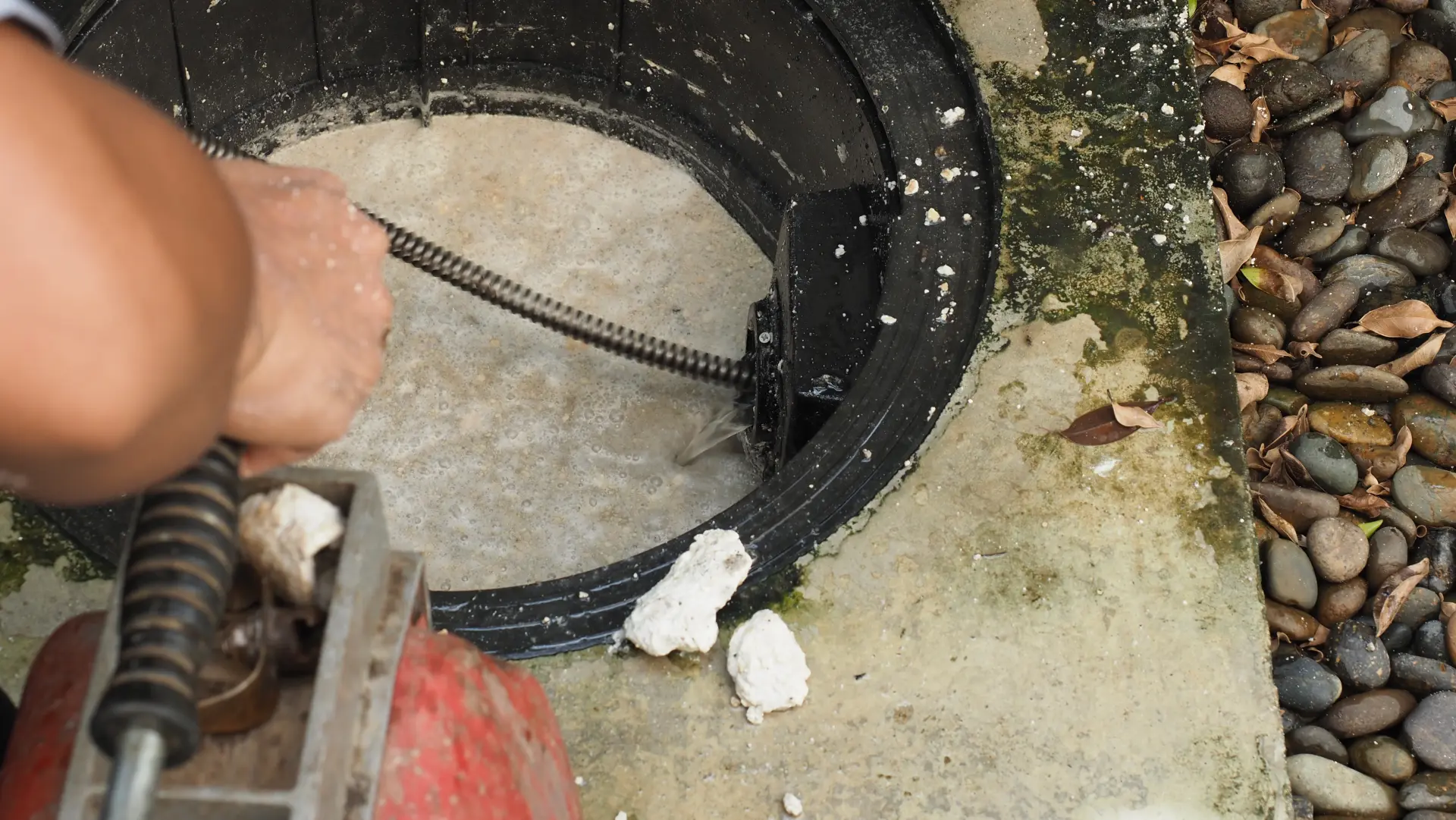
Blockages are among the most common drainage problems found in homes. Grease, food waste, debris, hair and items that should not be flushed can collect inside a pipe and reduce the available space for water to flow. Over time, a small blockage can become worse and may lead to slow drains, unpleasant smells, backing-up water or an overflowing drain.
This is a significant problem across the wider drainage network. Water UK reports that wet wipes are linked with 94% of sewer blockages, that around 2.9 billion wet wipes are flushed each year and that removing blockages caused by wet wipes costs around £200 million annually. While these figures cover the wider sewer system rather than an individual property's drains, they show how easily unsuitable material can create drainage problems.
Tree roots are another common cause of problems. Roots naturally grow towards sources of water and can enter a drain through small cracks or gaps in joints. Root intrusion may begin as a small issue, but roots can continue growing inside the pipe. Tree root intrusion can eventually restrict flow, create repeated blockages and increase existing damage. Older properties with clay pipework, large trees or mature gardens can be particularly vulnerable.
Over time, drains and pipework can weaken because of age, corrosion, ground movement or pressure from vehicles and building work above. Cracks and fractures can allow water to escape into the surrounding ground. In more serious cases, damaged or collapsed drains may contribute to damp patches, movement in the ground or damage around the building.
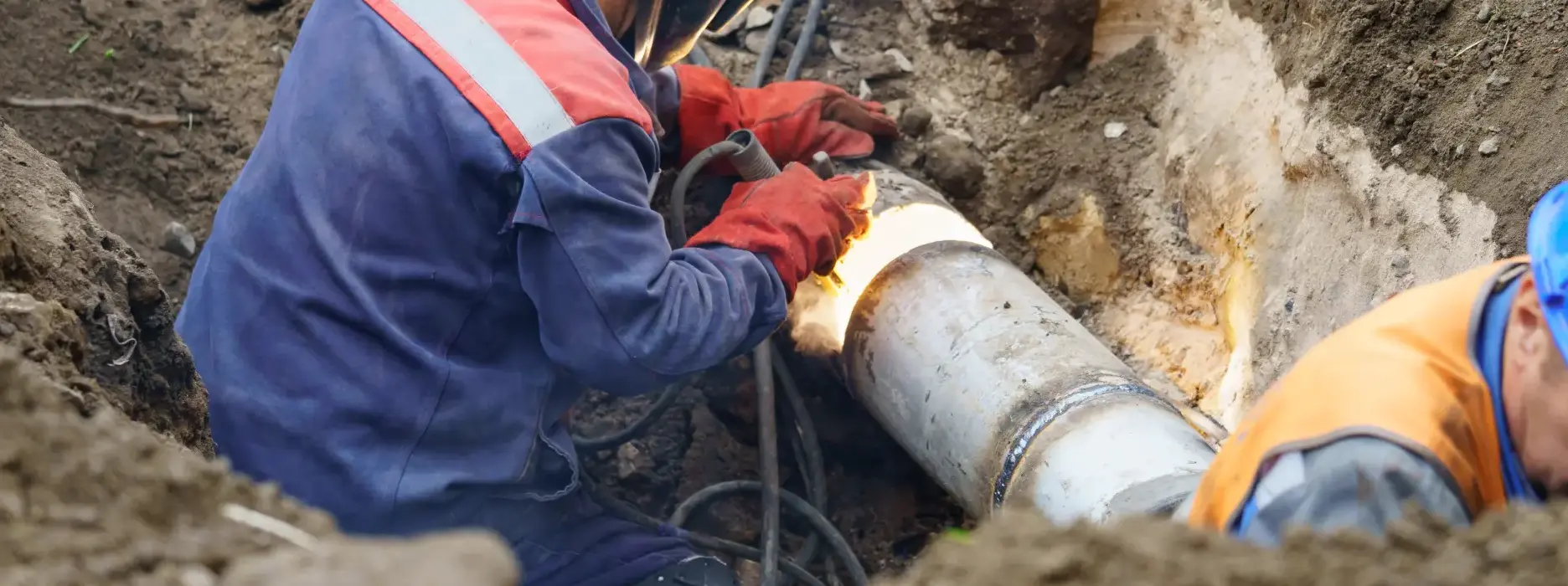
Pipe joints can also move out of position. A gap between joints may allow water to leak out, soil or debris to enter, or roots to grow inside. A CCTV drain survey can inspect these joints closely and help engineers assess whether a small defect can be monitored or whether repairs are needed.
Not every drainage system has been installed correctly. Poor pipe falls, unsuitable connections, damaged pipework and mistakes made during building work or extensions can create recurring drainage issues. Problems can exist in older properties, but age alone does not determine condition. A new home can also have drainage faults caused by poor installation, construction debris or damage during building work.
Scale build up can also reduce the internal size of a pipe, particularly after many years of use. As the space inside the pipe becomes smaller, flow can slow and debris can collect more easily. A drain inspection can show the extent of the restriction and help determine whether cleaning, repair or another fix is appropriate.
The Benefits of a CCTV Drain Survey
A CCTV drain survey provides a direct view inside drains that would otherwise be hidden below the ground. Instead of relying only on visible signs or an educated guess, the camera allows drainage engineers to inspect the pipe and identify the position and type of problem. The inspection may detect blockages, cracks, displaced joints, leaks, roots, corrosion, fractures or a collapsed pipe.
This can make repairs more focused. Knowing the location of the damage may reduce unnecessary excavation because engineers have a better understanding of where the problem is and how much of the drainage system is affected. In certain situations, repairs may be possible without digging up large areas of a garden, drive or other surface.
Finding potential issues early can also save homeowners money. Small cracks, limited root intrusion or a minor blockage may be easier to fix before the condition becomes worse. By contrast, leaving hidden drainage problems for months or years may result in more disruptive work and higher repair costs.
A CCTV survey can also help when buyers are considering extensions or other future building work. A drain map showing the layout and location of pipework may be useful when planning around existing drains and connections. This can be particularly important if building work could affect access to the drainage system.
For home buyers, the survey report can provide evidence during the buying process. If significant problems are identified, buyers may choose to obtain quotations for repairs and share the findings with the seller. Depending on the contracts, negotiations and individual circumstances, this information may help buyers negotiate the price, ask for repairs before completion or adjust their budget for future work.
Even when no major issues are found, a drain survey offers reassurance about the overall condition of the system. For many buyers, knowing that the drains have received a thorough inspection can provide peace of mind before buying a property.
Why Standard Property Surveys May Not Find Hidden Drainage Problems
One important point for home buyers is the difference between a house survey and a specialist drainage survey. Standard home surveys are designed to provide information about the property as a whole. A chartered surveyor may look at accessible drainage features, but a normal property survey does not mean every underground pipe has been inspected with a camera.
Current Royal Institution of Chartered Surveyors guidance shows why the difference matters. For a Level 2 inspection, accessible inspection chamber covers may be lifted where it is safe to do so, followed by a visual inspection of the chamber. A Level 3 inspection can include observing accessible drains during normal use. Neither approach is the same as sending CCTV equipment along the pipework to inspect its full internal condition.
This means standard property surveys can identify signs that further investigation is needed without identifying every hidden defect. For example, a surveyor might notice damp patches, movement, an unusual smell, slow drainage or signs of previous repairs. A specialist CCTV drain inspection can then investigate what is happening inside the drains.
A lender's mortgage assessment should also not be confused with a drainage survey or structural survey. Buyers should understand what each inspection covers before relying on it. If the condition of the drains matters to the purchase, a dedicated pre purchase drain survey provides a different level of information.
This distinction is one reason a drain survey before buying can be valuable even when other property surveys have already been arranged. One part of the buying process does not necessarily replace another, and underground drains can remain hidden unless specialist equipment is used to inspect them.
When Should You Arrange a Drain Survey Before Buying?
The best time to arrange a drain survey before buying is normally while there is still time to consider the findings before exchange and completion. This gives buyers the chance to understand the drainage condition, obtain repair estimates where needed and raise questions with the seller or solicitor before becoming responsible for the property.
A drain survey is highly recommended for consideration where there are visible signs of drainage trouble, such as drains that regularly block, unpleasant smells, slow-flowing water, damp areas, previous drainage repairs or signs of subsidence. A survey can also be worth arranging where the property has large trees close to underground drains, as roots can enter damaged joints and cracks.
Older properties can benefit from closer inspection because pipe materials and joints may have been in place for decades. However, buyers should not assume that newer properties are automatically free from drainage issues. Builders can accidentally damage pipework, construction debris can enter drains and poorly formed connections can cause problems after people have moved into the home.
A pre purchase survey can also be useful where a house has been extended. Extensions may have changed the original drainage layout, and buyers may want to know where drains now run and whether connections have been made correctly. A drain map can be particularly useful where future extensions or landscaping work are being considered.
Some buyers choose to arrange an inspection simply because they want more certainty before committing. Buying a house involves a significant financial commitment, and the drainage system is easy to forget because most of it is underground. A home buyer's drain survey can provide information about an area of the property that buyers cannot normally inspect themselves.
Drain Ownership and Responsibility When Buying a Property
Understanding who is responsible for the drains is another important part of a property purchase. In England and Wales, Ofwat explains that homeowners are normally responsible for drains serving their property up to the point where they connect with the public sewer. Since the transfer of many private sewers on 1 October 2011, that point is usually around the property boundary.
Public sewers are generally the responsibility of the sewerage company, even where a public sewer runs through private ground such as a garden. The exact position can depend on the layout and connections, so buyers should not assume that every pipe inside the property's boundaries is automatically their responsibility or that every pipe outside those boundaries belongs to somebody else.
The conveyancing process may include a drainage and water search that provides useful information about public sewer connections and other records. However, a search is not the same as a CCTV drain survey. The search provides recorded information, while the CCTV drain inspection looks at the physical condition inside accessible drains at the time of inspection.
This difference is important. A drain may appear on records and still have cracks, roots, debris or collapsed sections inside it. Equally, the physical survey may identify connections or a layout that buyers want their solicitor to investigate further. Using the survey findings alongside the legal information can give buyers a clearer understanding before exchange.
A specialist drain survey is not normally a legal requirement for buying a house, but it can be a sensible pre purchase check in certain situations. If a mortgage provider, surveyor, solicitor or insurer raises a drainage concern, buyers should find out what information is required before moving forward.
Drain Surveys Near Me
Struggling with a drain blockage? Let us help. Tru Flow Drainage serve a 25-30 mile radius of Fleetwood and Thornton. Call today for drainage specialists in Fylde, Wyre, Blackpool and throughout Lancashire and the following areas:
How Much Does a Home Buyer's Drain Survey Cost?
The cost of a home buyer's drain survey in the UK depends on the size and complexity of the drainage system, the number and length of drains that need to be inspected, access to the system, the location of the property and the level of detail required in the report.
Current published industry guide prices place a basic CCTV drain survey at around £85 to £235. This type of inspection may provide a basic view of the drains without the same level of reporting offered by a complete pre purchase drain survey.
A more detailed CCTV drain survey with video footage and a written survey report is currently estimated at around £200 to £350. For many buyers, this more detailed option is worth considering because the findings can be easier to understand, document and use during the purchase process.
For larger or more complex properties, current guide prices are around £350 to £450. The final price can increase where additional investigation, drain cleaning, difficult access, excavation or other work is required. Prices are estimates, so buyers should arrange a quotation that reflects the size and layout of the property.
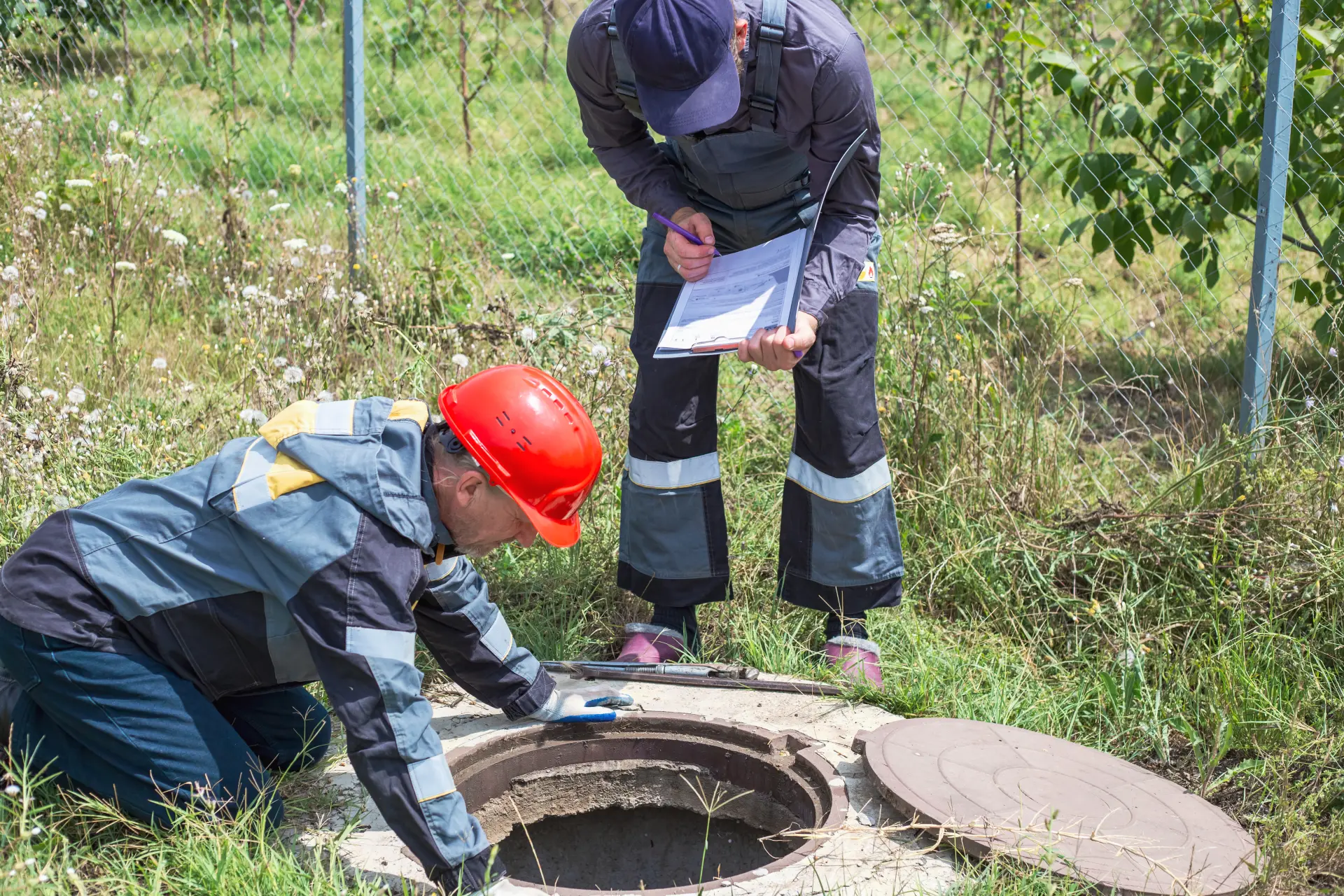
Access can have a major effect on cost. A straightforward system with clear manhole access may take less time to inspect than drainage running beneath extensions, hard surfaces or areas where an inspection point cannot easily be reached.
The amount of information provided also matters. A simple camera inspection may cost less than a complete drainage survey that includes pipe condition, footage, photographs, a drain map and recommendations for repairs.
Sometimes blockages need to be cleared before the camera can travel through the drains. Additional testing may also be needed when engineers need to confirm where a pipe runs, how connections are arranged or whether water is escaping from the system.
Although a drain survey adds another cost when buying a home, the expense can be small compared with major drainage repairs. Collapsed drains, damaged pipework or extensive root intrusion can involve excavation, disruption and significant repair costs. Finding problems before purchase allows buyers to understand the potential expense rather than discovering it unexpectedly after moving.
Where issues are found, buyers can obtain repair quotations before committing. This can make it easier to negotiate with the seller, renegotiate the purchase price where appropriate or make sure enough money remains in the budget for the required repairs.
What Should a Pre Purchase Drain Survey Report Include?
A useful survey report should do more than state that the drains have been checked. It should explain what was inspected, which areas could not be inspected and the overall condition of the accessible drainage system. The report should make the findings clear enough for buyers to understand what requires attention.
A detailed report may include footage from the camera, still images of defects, the position of inspection points and information about the route of drains. Where drain mapping is included, the report may also show how different pipe runs and connections relate to the property.
Important findings can include blockages, cracks, fractures, open or displaced joints, leaks, corrosion, roots, scale, debris and collapsed sections. The survey should also explain whether a problem appears minor or whether professional repairs should be considered before or after purchase.
Where possible, buyers should ask whether recommendations and likely repair methods will be included. Knowing that a pipe is damaged is useful, but understanding whether the likely fix involves cleaning, local repair, lining or excavation can make the findings easier to discuss with the seller and can help buyers estimate the possible cost.
A good report should also record limitations. For example, the camera may be unable to enter a pipe because of a serious blockage, collapsed section, restricted access or the size of the pipe. These limitations matter because an incomplete inspection does not prove that the uninspected part of the system is free from problems.
What Happens if the Drain Survey Finds Problems?
Finding drainage issues does not automatically mean buyers should stop buying the property. The first step is to understand the nature and scale of the problem. A small local defect is very different from several collapsed drains requiring major repairs.
If the survey reveals faults, ask the drainage engineers to explain the findings and provide recommendations. Where repairs are required, obtaining a written price can help establish the potential cost before contracts are exchanged. This gives buyers useful information for making informed decisions.
Depending on the findings and the stage of the sale, buyers may decide to ask the seller to carry out repairs, negotiate a change in price or accept the issue and budget for work after completion. The most suitable approach will depend on the property, the repair costs and the agreement between the people involved.
Serious drainage problems should not be ignored. Water escaping from damaged drains can affect surrounding ground, while repeated blockages can become disruptive for homeowners. In some cases, leaks or badly damaged pipework may contribute to problems around foundations or areas already affected by ground movement.
It is also important to establish responsibility before agreeing to pay for work. The defective pipe may form part of the property's drainage, or it may be an adopted sewer for which the sewerage company is responsible. The location, connections and number of properties using the line can all affect responsibility.
Choosing a Qualified Drainage Specialist
When arranging a home buyer's drainage survey, choose a professional with suitable experience in CCTV drain survey work. The engineers should be able to inspect the drains carefully, record the findings and explain the condition of the drainage system in clear language.
Experience is particularly important where the property has older pipework, complicated connections, repeated drainage problems or extensions that may have changed the original layout. Experienced drainage engineers should know how to follow accessible pipe runs and recognise common defects such as cracks, corrosion, displaced joints and root intrusion.
Ask what equipment will be used and what is included in the service. A professional CCTV drain inspection should use suitable camera equipment and provide enough footage to assess the condition of the accessible drains. For a pre purchase inspection, buyers should also check whether they will receive a detailed report, images and a copy of the relevant footage.
It is also sensible to ask whether the specialist can provide a drain map and whether the survey covers all accessible sections of the property's drainage. If part of the system cannot be inspected, this should be clearly recorded rather than simply left out of the report.
Clear pricing is important. Before arranging the survey, ask what the quoted cost covers, whether clearing a blockage will involve an extra charge and whether there are additional costs for mapping, additional camera work or returning after drains have been cleaned.
Reviews and recommendations can help when comparing engineers, but buyers should also consider the quality of the report they will receive. The purpose of a pre purchase drain survey is not simply to put a camera into a manhole. It is to provide reliable information that helps buyers understand the drainage system and decide what to do next.
Is a Drain Survey Worth Having Before Buying a House?
For many home buyers, a drain survey before buying is worth considering because drains are an important part of a home but are largely hidden from view. A property can look well maintained above ground while cracks, roots, blockages or collapsed pipework exist below the surface.
The benefits are particularly clear when a property is older, has large trees, has experienced recurring blockages, shows signs of drainage trouble or has undergone major building work. A CCTV drain survey can also be useful when standard property surveys recommend further drainage investigation.
The inspection cannot guarantee that drainage problems will never occur in the future. Conditions can change and new blockages or damage can develop after the survey. What a thorough inspection can provide is a recorded view of accessible drains at that point in time, together with professional findings about their condition.
This information can reduce uncertainty when buying. If the system is in good condition, buyers receive reassurance. If defects are found, buyers have the opportunity to assess repairs and costs before completion rather than facing unexpected repair costs after receiving the keys.
Buying a house involves many checks, searches and decisions. It can be easy to focus on rooms, decoration, the roof and other visible parts of the building while forgetting the drainage beneath the ground. Adding a drainage survey to the pre purchase process can help provide a more complete understanding of the property before making one of life's larger purchases.
Thinking of purchasing a home or property but wondering about the condition of the drains? Let Tru Flow Drainage help with a professional CCTV drain survey and pre purchase drainage inspection in Fleetwood, Blackpool and Lancashire.
We have been resolving drainage issues for local homes, businesses and property developers for more than 25 years. A detailed drain survey can identify problems before buying, explain the condition of the system and give you the information needed to move forward with greater confidence.