
Have you been asking, " Why is drainage maintenance important? Tru Flow Drainage provides drainage system maintenance for Fleetwood, Blackpool and Lancashire. In this article, we explore the importance of drain maintenance, how regular drainage maintenance protects your property, and why keeping drains clear should be part of normal home and business care across the UK.
A drainage system carries wastewater away from your home, building, garden, driveway, or commercial property. When the drainage system works properly, daily life feels simple and safe. Water leaves sinks, showers, toilets, and kitchen sinks without delay, and the plumbing system can cope with normal use. When drains start to slow down, smell, overflow, or make gurgling sounds, it is often a clear sign that drain problems are starting to develop inside the pipes.
Regular drain maintenance is essential because drains are used every day. Grease, hair, food waste, food scraps, coffee grounds, wet wipes, soap scum, soap residue, dirt, stones, leaves, organic matter, and other debris can all enter drains and accumulate over time. This build-up can reduce the diameter of the pipes and affect drains before a complete blockage occurs. Regular drain maintenance helps prevent blockages, protect the plumbing system, and keep the drainage system in good condition for longer.
Why Drainage Maintenance Is Important
Regular maintenance and cleaning of your drainage system are essential for keeping it safe, clear, and working as it should. Neglecting drain maintenance can lead to blocked drains, slow drainage, unpleasant smells, water damage, and costly repairs. In severe cases, neglecting drain maintenance can also lead to structural damage, pipe bursts, health risks, and costly emergency repairs that disrupt your home or business.
Drain maintenance is important because small problems can quickly turn into major problems. A partial blockage may begin with slow-draining sinks, slow drains, or gurgling noises from toilets and showers. If the problem is left unnoticed, debris can continue building inside the pipes until it forms a clogged drain or complete blockage. Once this happens, water may overflow, wastewater may back up, and the damage caused can be expensive to repair.
Regular drain maintenance and routine drain maintenance are preventative measures. They help identify early warning signs before they become major issues. Regular inspections allow a professional to inspect the drain system, assess the condition of pipework, and spot cracks, corrosion, leaks, obstructions, build-up, and underlying problems. This proactive approach can prevent costly repairs, reduce stress, and protect the value of your property.
A well-maintained drainage system also supports good hygiene. Blockages can create stagnant water, which may become a breeding ground for harmful bacteria, pests, mould, and diseases. Foul odours and unpleasant odours are not just annoying. In some cases, blocked drains can pose health risks because exposure to wastewater, contaminants, pollutants, and harmful substances may affect people inside the building. Regular cleaning, drain cleaning, and professional drain cleaning services help keep drains hygienic and reduce the risk to public health.
Preventing Clogs And Blockages
One of the main benefits of drain maintenance is preventing clogs and blockages. Grease, oil, fats, and food particles from cooking can solidify inside pipes. Hair, soap scum, and soap residue can also stick to the sides of pipes and form stubborn clogs. Over time, these materials accumulate, creating blockages that slow water flow and put strain on the plumbing system.
Regular drain maintenance helps prevent build-up before it becomes severe. Simply pour hot water down kitchen sinks and bathroom drains from time to time to help move grease and soap residue through the system. A mixture of baking soda and vinegar can also help with light cleaning, although diy methods should only be used for minor issues. They are not a replacement for professional services when drain problems are frequent, severe, or caused by deeper structural issues.
To prevent clogs, avoid disposing of grease, oil, coffee grounds, food scraps, wet wipes, foreign objects, and other debris down sinks, toilets, and drains. Drain covers are also useful because they catch debris, hair, and food particles before they enter the pipes. These simple tips can keep drains clear and reduce the need for emergency callouts.
Blocked Drains Near Me
Struggling with a drain blockage? Let us help. Tru Flow Drainage serve a 25-30 mile radius of Fleetwood and Thornton. Call today for drainage specialists in Fylde, Wyre, Blackpool and throughout Lancashire and the following areas:

Drainage Maintenance
Drain Cleaning / Clearance
Protecting Your Property From Water Damage
A blocked or poorly maintained drainage system can lead to serious water damage. When water cannot flow away properly, it may overflow onto floors, seep into walls, or collect around the structure of a building. This can cause damp, mould growth, damaged furniture, damaged floors, and weakened foundations. In severe cases, water damage can lead to significant damage and extensive damage that costs thousands to repair.
Maintaining drains is an investment in property protection. Regular drainage maintenance helps ensure that water flow remains steady during heavy rain, storms, and changing weather. It also reduces the risk of flooding around gardens, driveways, and outdoor spaces. In urban areas such as London, where drains and sewers often need to manage large volumes of water, regular professional drain inspections can be vital.
Drain maintenance also helps prevent soil erosion. If water escapes from damaged pipes or blocked external drains, it can wash away soil and affect the stability of paths, walls, and foundations. Taking action early helps safeguard the building and reduces the chance that minor issues will escalate into bigger problems.
Extending The Lifespan Of The Drainage System
Every drainage system has a lifespan, but regular maintenance can help it last longer. Pipes, fixtures, sewers, and pipework all suffer wear and tear over the years of use. Grease, dirt, debris, corrosion, and cracks can weaken the system if they are not dealt with properly. Regular inspections and planned maintenance help identify damage before it worsens.
Drain maintenance helps extend the life of the system by keeping pipes clear and reducing pressure inside the drain system. When drains remain blocked or partly blocked, water and waste cannot move freely. This puts extra strain on pipes and can lead to leaks, pipe bursts, or replacement work. Regular drain maintenance helps prevent major issues and can save money in the long run.
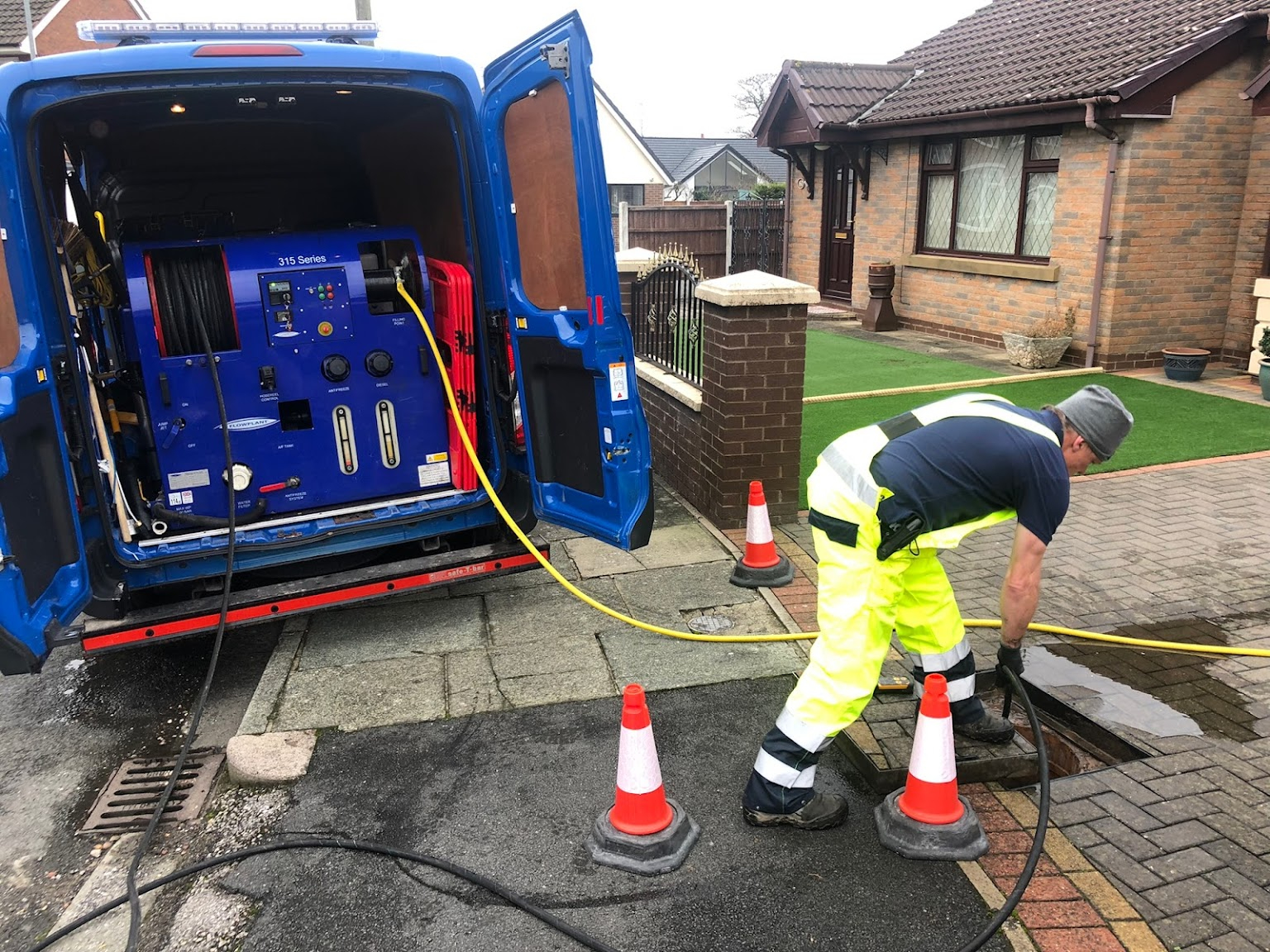
Professional drain cleaning services use specialised tools and equipment to clear drains safely and effectively. High-pressure water jetting is one example of a cleaning process that can remove grease, debris, and stubborn clogs from inside pipes. High-pressure water can clean the pipework without relying on harsh chemicals that may cause damage or corrosion.
Reducing Odours And Improving Hygiene
Unpleasant odours from drains are often caused by trapped waste, grease and soap scum, food waste, stagnant water, or harmful bacteria. These odours can spread through a home, restaurant, office, or commercial building and affect comfort. Regular cleaning and drain cleaning help remove the waste and debris that cause foul odours.
A clean drainage system supports a safe, hygienic environment. This matters for homeowners, property owners, and commercial properties, especially businesses such as restaurants, where health, cleanliness, and public health are crucial. Keeping drains running smoothly helps ensure wastewater is carried away properly and reduces the presence of contaminants.
Regular drain maintenance also helps protect natural waterways. If drains overflow or sewers are put under pressure, pollutants may enter rivers, streams, and the wider environment. Good drainage care supports sustainability by reducing pollution and helping wastewater move through the correct channels.
How Often Should You Clean Your Drains?
How often you need drain maintenance depends on the type of property, how many people use the drains, and how the system is used. A small household may only need routine maintenance once a year, while a busy business or commercial site may need more frequent cleaning. Restaurants, for example, often have more grease, fats, and food waste entering kitchen sinks, so they may need a tighter schedule.
As a general rule, annual inspections and cleaning are a sensible starting point. Regular inspections can identify potential issues before a problem arises, and they give property owners peace of mind. If slow drains, unpleasant smells, gurgling sounds, or frequent blockages occur, the drainage system may need attention sooner.
Regular drain maintenance should not wait until an emergency. It is better to schedule planned maintenance than to wait for blocked drains, flooding, or expensive repairs. Preventing issues is usually less costly and less disruptive than dealing with damage after it has occurred.

Keeping Drains Clear

Preventing Clogged Drains
Signs Your Drains Need Attention
There are several signs that your drains may need cleaning, inspection, or repair. Slow drainage from sinks, showers, or toilets can signal a partial blockage. Gurgling noises may mean that air is trapped in the pipes because water cannot flow freely. Unpleasant smells or foul odours can suggest trapped waste, stagnant water, or harmful bacteria inside the drain.
Other early signs include water backing up, toilets taking longer to flush, sinks filling when another fixture is used, and outdoor drains overflowing after rain. Cracks in walls, damp patches, soft soil, or water pooling near the building may also indicate drainage problems. These signs should be addressed quickly because issues can worsen and cause structural damage.
If you notice any of these common issues, it is important to act. Minor issues are often easier to fix than major headaches. A professional can identify the cause, remove debris, and recommend the right solutions before the damage becomes more severe.
What You Can Do To Maintain Your Drains
Good drain maintenance starts with simple habits. Avoid disposing of grease, fats, oil, coffee grounds, food scraps, wet wipes, and foreign objects down sinks, toilets, and drains. These things can accumulate inside pipes, form clogs, and lead to blockages. Dispose of waste properly instead of flushing or washing it away.
Use drain covers in showers, baths, and kitchen sinks to catch debris, hair, and food particles. Clean these covers often so water can still flow through them. Run hot water through sinks after use, especially after cooking, to help prevent grease from cooling and sticking inside pipes. For light cleaning, baking soda and vinegar can be used carefully, followed by hot water.
Regular drain maintenance also means checking for early signs of problems. Look for slow drains, odours, leaks, gurgling noises, and water collecting where it should not. Keeping drains clear through simple care helps prevent blockages and keeps drains running smoothly.
When To Hire A Professional
Some drain problems need more than simple diy methods. If a clogged drain returns soon after cleaning, if several drains are slow at the same time, or if odours keep coming back, there may be underlying problems deeper in the system. In these cases, professional services can inspect the pipes, assess the damage, and carry out effective cleaning or repair.
Professional drain cleaning services can remove stubborn clogs, grease, debris, and waste using specialised tools. They can also discover cracks, corrosion, structural issues, and other problems that may not be visible from the surface. This is especially important for commercial properties and older buildings, where drainage issues can disrupt business, create health risks, and lead to costly repairs.
Regular professional drain inspections are also useful before buying, selling, or upgrading a property. They help identify hidden issues and give you a clearer understanding of the drainage system. This can protect your investment and help you avoid costly surprises in the future.
The Cost Benefits Of Regular Drain Maintenance
Drain maintenance may feel like an extra cost, but it can save money over time. Preventing blockages, keeping pipes clear, and repairing minor issues early can prevent costly repairs later. Emergency work, water damage, pipe replacement, and structural repair are often far more expensive than routine cleaning and inspections.
Regular maintenance helps reduce the risk of expensive repairs by keeping the system in good condition. It also improves efficiency because water and wastewater can flow through the pipes without obstruction. For a business, this can reduce disruption, protect customers and staff, and support normal daily work.
Neglecting drains can lead to costly damage, emergency callouts, and loss of convenience. Investing in regular drain maintenance gives peace of mind because you know the system is being looked after. It also helps you enjoy peace at home, knowing that the drains are less likely to fail without warning.
Drainage Maintenance For Homes And Businesses
Drainage maintenance matters for both homes and commercial properties. In a home, blocked drains can affect comfort, hygiene, and daily life. Slow sinks, blocked toilets, and unpleasant odours can quickly become stressful. Regular drain maintenance helps keep the home safe, clean, and easy to live in.
For commercial properties, drainage problems can be even more disruptive. A blocked drain in a shop, office, rental property, or restaurant can affect staff, customers, and the wider business. If wastewater overflows or odours spread, it may create health risks and damage the reputation of the business. Regular drain maintenance, drain cleaning, and inspections help maintain safe conditions and reduce downtime.
Every property is different, so the right maintenance schedule should be based on usage, age, pipe condition, and past problems. A professional can assess the system and recommend a routine that fits the needs of the building.
Why Drain Maintenance is Important: Conclusion
Understanding the importance of drainage maintenance helps property owners protect their homes, businesses, health, and environment. A drainage system is easy to forget when it is working properly, but neglecting maintenance can lead to blockages, water damage, unpleasant odours, health risks, and costly repairs.
Regular drain maintenance keeps drains clear, supports water flow, protects pipes, and helps prevent costly repairs. It also reduces the risk of flooding, structural damage, and plumbing issues that can become difficult and expensive to fix. By taking simple preventative measures, booking regular inspections, and using professional drain cleaning services when needed, you can keep your drainage system working safely and effectively.
Drain maintenance is essential for keeping your property in good condition. With regular maintenance, routine inspections, careful disposal habits, and professional cleaning when required, your drains remain clear, your plumbing system can perform properly, and your property has better long-term protection.
Struggling with a drain blockage in your bathroom or kitchen? Let us help. Tru Flow Drainage is a drainage contractor that has been resolving drainage issues for local homes, businesses, and property developers for more than 25 years.